Dental CAD Conversion Services in California: Everything You Need to Know
What dental file conversion involves, why it matters for California dentists, and how to choose a lab that gets it right the first time.
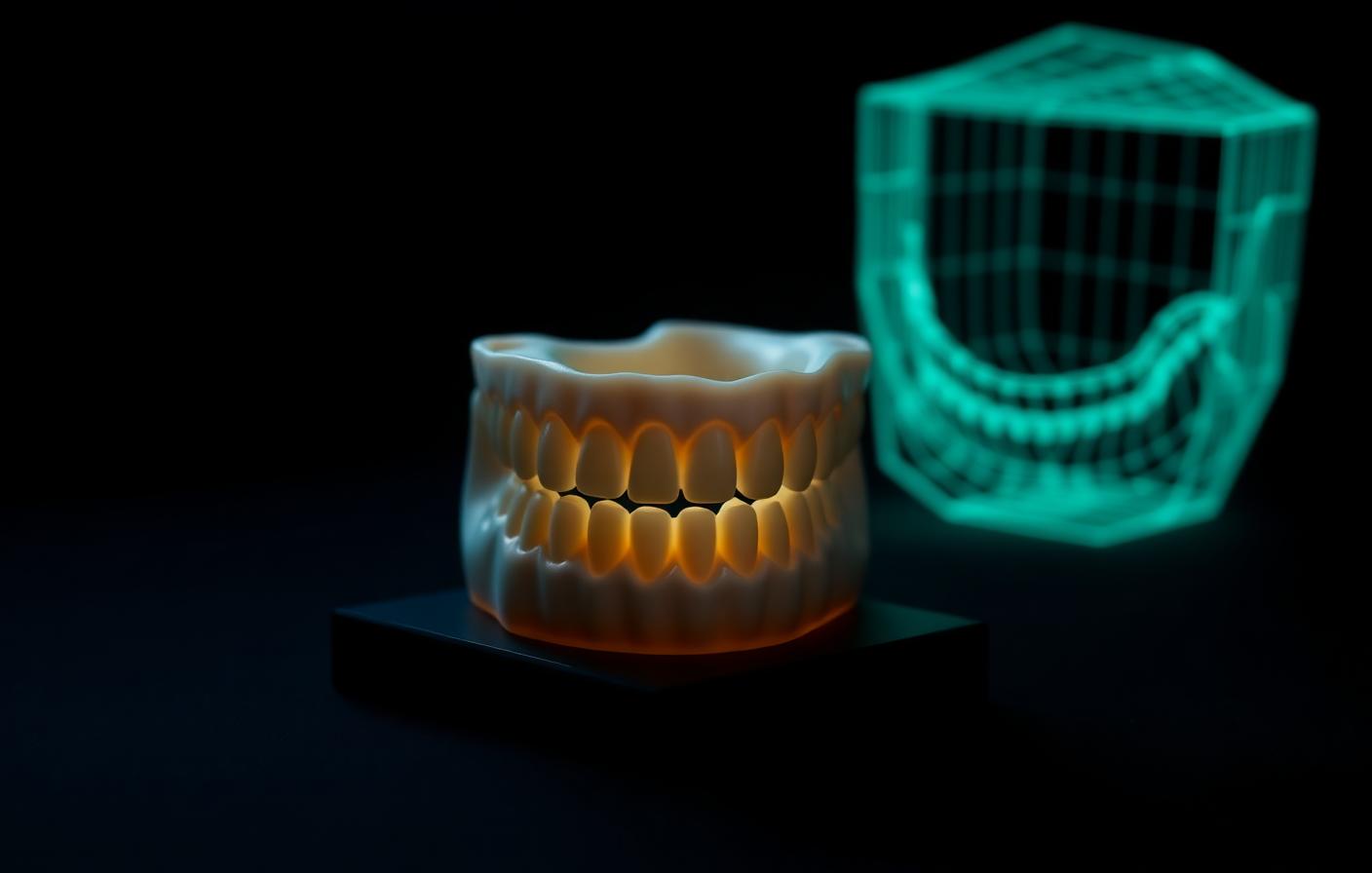
If your practice is still juggling plaster models, wax-ups, and physical impressions alongside digital cases, you're not alone, and you're not behind. But you may be losing time you don't need to lose. Dental CAD conversion in California has become the bridge that lets practices keep their legacy records while working entirely in a modern, digital-first workflow.
This guide breaks down what dental file conversion actually involves, why it matters for California dentists specifically, how it compares to starting a case from scratch, and how to choose a lab that gets it right the first time.
Key Takeaways
- Dental CAD conversion turns physical models, wax-ups, and impressions into editable digital files compatible with CAD/CAM software like exocad and 3Shape.
- The global digital dentistry market was valued at roughly $6.8 to $8.7 billion in 2024 to 2025 and is projected to grow at a 9 to 11% CAGR through the early 2030s, with North America holding the largest regional share.
- 53% of U.S. dentists already use an intraoral scanner in daily practice, according to an ADA Clinical Evaluators Panel survey, meaning roughly half still rely on analog records that eventually need conversion.
- A common reason practices adopt digital tools is transitioning from analog to digital workflows and improving lab communication.
- JCR AOX Designs, based in Clovis, California, offers dedicated analog-to-digital dental conversion services with designer-direct communication, no support portals, no ticket queues.
- Accurate conversion protects margins, contours, and occlusal detail so converted files integrate cleanly into ongoing restorative and CAD design work.
What Is Dental CAD Conversion, Exactly?
Dental CAD conversion (also called analog-to-digital dental conversion, or dental scan conversion) is the process of turning a physical dental record, a stone model, a wax-up, a bite registration, or an impression, into a clean, editable digital file. That file can then be opened, adjusted, and designed in CAD software the same way a case captured with an intraoral scanner would be.
This matters for a few practical reasons:
- Continuity of care. Not every case in a practice started digitally. Older restorative cases, revision work, or long-term patients with archived physical models still need to move forward.
- Standardization. Practices transitioning to fully digital operations don't want two separate systems running in parallel indefinitely.
- Collaboration. Digital files travel instantly between dentist, lab, and specialist, something a plaster model simply can't do.
Why This Matters for Practices in California
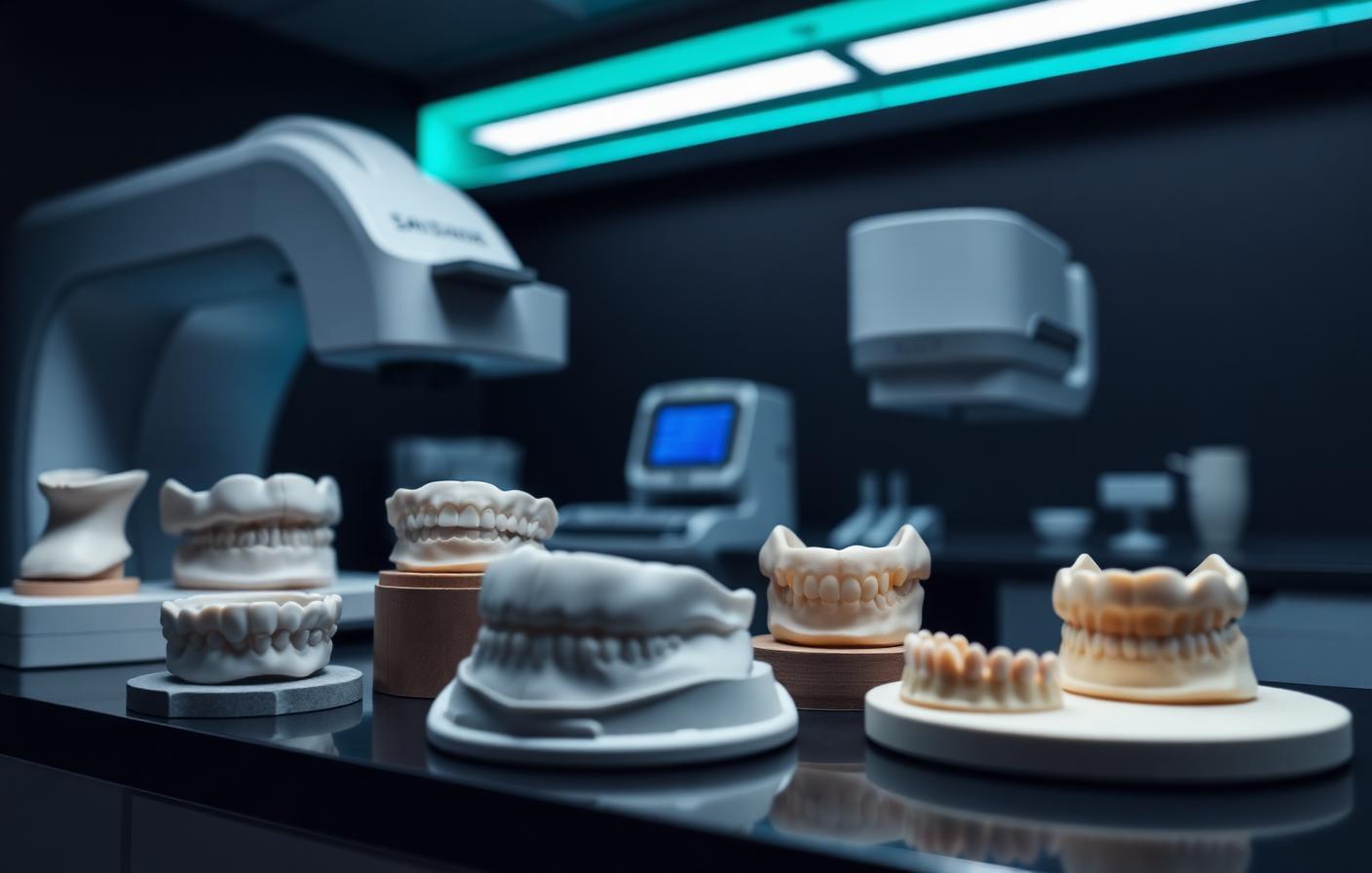
California's Central Valley, Fresno, Clovis, Visalia, Bakersfield, Modesto, and the surrounding region, has a dense mix of general dentistry, implant, and prosthodontic practices, many of which are mid-transition to digital workflows. That's a realistic middle ground: research suggests digital adoption is close to a coin flip nationally.
The same ADA-based research found that 34% of dentists not currently using a scanner planned to purchase one within the year, which tells you two things: digital adoption is accelerating, and there's a large, ongoing need for converting older analog records so they aren't left behind when a practice modernizes.
On the demand side, the broader digital dentistry sector backs this up. North America dominated the digital dentistry market with a 38.68% share in 2025, driven by high adoption of digital tools in dental practices and technological advancements in CAD/CAM systems and 3D printing. That regional concentration is exactly why demand for reliable dental CAD conversion in California, not generic outsourced scanning, keeps growing.
Analog vs. Digital Dental Workflows: A Side-by-Side Look
| Factor | Traditional (Analog) Workflow | Digital / Converted CAD Workflow |
|---|---|---|
| Record format | Stone models, wax-ups, physical impressions | Editable STL/CAD files |
| Storage | Physical shelf space, risk of damage or loss | Digital archive, easily backed up |
| Collaboration with lab | Shipping physical models, delays | Instant digital file transfer |
| Design revisions | Often requires remaking the model | Adjust the file directly in CAD software |
| Turnaround for new restorations | Slower, new impressions typically needed | Faster, existing digital record reused |
| Integration with modern CAD/CAM | Not compatible without conversion | Fully compatible |
| Best suited for | Practices not yet using digital tools | Practices standardizing on one digital workflow |
The takeaway isn't that analog records are obsolete, it's that converting them once, accurately, lets a practice stop maintaining two workflows side by side.
How Do I Convert Traditional Dental Models Into Digital Files?
This is one of the most common questions dentists ask when they start exploring digital dental conversion in California. In practice, the process looks like this:
- Submit the physical record. Send in the model, wax-up, or impression, either by mail or drop-off, depending on the lab's process.
- Precision scanning and digital recreation. A technician scans the model and rebuilds it as a clean digital file, preserving margins, contours, and anatomical landmarks.
- Quality review. The file is checked against the original for accuracy before anything is finalized.
- Refinement. Any inconsistencies are corrected so the file is genuinely CAD-ready, not just a rough digital copy.
- Secure delivery. The finished, editable file is delivered in a format compatible with common CAD/CAM software for ongoing design or lab production.
The difference between a mediocre conversion and a precise one usually comes down to attention to detail at step 2 and step 3, a scan that misses subtle margin geometry can create fit problems down the line, which is why experienced technicians (not just automated scanning) matter here.
Which Company Specializes in Dental CAD Conversion in California?
JCR AOX Designs, headquartered in Clovis, California, offers a dedicated analog-to-digital conversion service built specifically for practices bringing legacy cases into a digital workflow. A few things set the approach apart:
- Designer-direct communication, practices speak directly with the technician handling their case instead of routing questions through a support portal.
- CAD-ready output, files are delivered clean and editable, compatible with standard laboratory and CAD/CAM workflows.
- Quality control before delivery, every conversion goes through a review step focused on margins, contours, and anatomical accuracy, not just a raw scan export.
- Central Valley based, nationwide capable, the lab is based in Clovis and serves practices throughout Fresno, Visalia, Bakersfield, Modesto, Stockton, and dozens of surrounding cities, while also supporting doctors outside California.
This is a meaningfully different model from large, high-volume digital labs where cases move through a queue and a scanned file is handed back with limited feedback. For conversion work specifically, where preserving detail from an existing physical record is the whole point, that hands-on review step is what protects restoration fit down the line.
What to Look for in a Dental Scan Conversion Partner
If you're evaluating labs for dental scan conversion in California, a few questions are worth asking before you send a case:
- Do they review converted files for anatomical accuracy, or just deliver a raw scan?
- Can you speak directly with the person doing the conversion if something looks off?
- What file formats do they deliver, and are those formats compatible with your existing CAD software?
- What's their realistic turnaround time, and does it match your treatment schedule?
- Do they have experience with your specific case type (crown and bridge, full-arch, dentures, implant cases)?
A lab that can answer these clearly, without vague marketing language, is usually one that treats conversion as a precision task rather than a commodity scanning service.
Frequently Asked Questions
Final Thoughts
Whether you're fully committed to digital dentistry or still working with a mix of analog and digital cases, converting existing records doesn't have to mean starting over. With roughly half of U.S. dentists already using intraoral scanners and the broader market continuing to expand, the practices that convert their legacy records accurately, rather than re-creating them from scratch, are the ones that keep their workflow efficient as digital dentistry becomes the norm.
If your California practice has physical models, wax-ups, or impressions that need to become CAD-ready digital files, JCR AOX Designs in Clovis handles analog-to-digital dental conversion with direct designer communication and quality checks built into every step.
Call (559) 691-3500
Sources
MRFR, Global Digital Dentistry Market Report
Grand View Research, Digital Dentistry Market Size & Trends, 2030
Fortune Business Insights, Digital Dentistry Market Report, 2034
JADA, Intraoral Scanners: An ADA Clinical Evaluators Panel Survey
ADA News, ACE Panel Report Finds About Half of Dentists Use Intraoral Scanners
Ethan Navarro
Hello, I'm Ethan Navarro, a California-based digital dental design specialist with extensive experience supporting clinicians through advanced CAD/CAM workflows, full-arch restorations, implant planning, and restorative design. I'm passionate about helping dental professionals simplify complex cases by combining precision, collaboration, and innovative digital solutions. Through my articles, I share practical insights on digital dentistry, laboratory workflows, restorative techniques, and emerging technologies that help practices improve efficiency, strengthen communication, and deliver predictable patient outcomes.
Work with our team