Top Dental Labs in California: How to Choose the Right Partner for Your Practice
Learn how to evaluate top dental labs in California for communication, digital workflows, materials, turnaround, quality control, and reliable practice support.
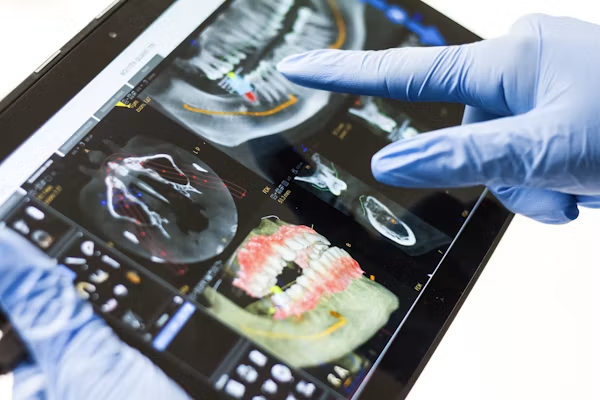
What are the top dental labs in California? The answer depends on more than a lab's location, equipment, or list of services. For a dental practice, the right laboratory partner needs to fit the way your team actually works. If you are considering a digital dental lab in California, factors such as case communication, design capabilities, turnaround expectations, material options, and quality control deserve a closer look.
What Makes a Dental Lab a Good Practice Partner?
A strong laboratory relationship should make restorative workflows easier, not create another layer of coordination. The best fit depends on your procedures, technology, case volume, and the type of support your team expects.
Rather than choosing a lab based on a single impressive feature, evaluate how it performs across the complete case journey.
1. Look Beyond the Equipment List
Digital dentistry has changed how laboratories receive, design, and manufacture restorations. CAD/CAM systems, digital impressions, milling, and 3D printing can support modern restorative workflows.
However, technology alone does not tell you how effectively a lab will use it.
The U.S. Food and Drug Administration recognizes standards relating to dental CAD/CAM systems, including technologies used for the design and manufacturing of dental restorations.
Ask:
- What digital file formats does the lab accept?
- Can the team work from intraoral scans?
- How are design revisions handled?
- Does the lab support both digital and traditional cases?
- What happens when a case needs clarification?
The goal is not to find the laboratory with the longest technology list. It is to find one whose technology works smoothly with your practice.
2. Evaluate Communication Before You Need It
A laboratory may produce excellent restorations, but poor communication can make even straightforward cases frustrating.
Clear communication matters when discussing margins, occlusion, shade, implant details, design changes, or unexpected case issues. The American Dental Association recommends clear written instructions and accurate case information when dentists send work to laboratories.
Before committing, find out:
- Who will answer case-specific questions?
- Can you communicate with the designer or technician?
- How are revisions documented?
- How quickly are questions typically addressed?
- Will the lab notify you when it identifies a problem?
A simple phone conversation can sometimes reveal more about a lab's working style than a polished service page.
3. Match the Lab to Your Case Mix
Not every laboratory is built around the same types of cases. A general restorative practice may need dependable crown and bridge support, while an implant-focused practice may require more specialized planning and full-arch workflows.
Consider your most common cases and ask whether the laboratory has relevant experience.
For example, your priorities may differ if you regularly handle:
- Single-unit crowns
- Bridges and implant restorations
- Full-arch cases
- Immediate-load workflows
- Removable prosthetics
- Digital redesigns
- Cases requiring close aesthetic collaboration
The right partner should understand your clinical workflow instead of forcing every case through the same process.
4. Compare Turnaround With Your Actual Schedule
Fast turnaround sounds attractive, but speed only matters when expectations are clear and achievable.
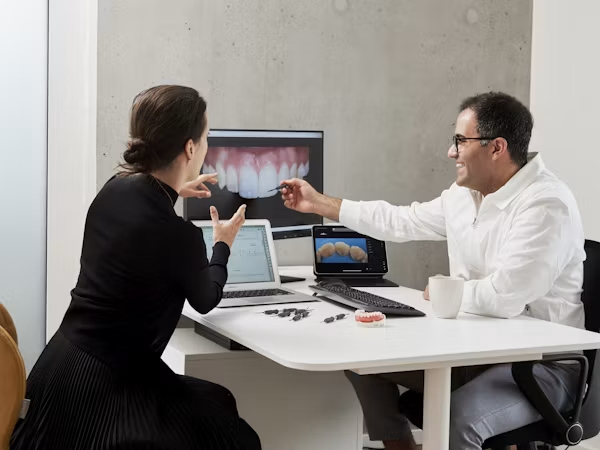
Ask how turnaround is calculated, whether revisions affect delivery dates, and how rush cases are handled. You should also understand whether design and final production happen through the same team or involve additional handoffs.
A laboratory that communicates realistic timelines can be more useful than one that simply promises speed.
5. Examine Quality Control and Materials
Restorations involve decisions about materials, fabrication methods, design, fit, function, and aesthetics. The ADA notes that indirect restorative materials differ in composition, mechanical properties, processing methods, and clinical indications.
Ask the laboratory how it manages quality checks before a case leaves the facility.
| What to Compare | Questions to Ask |
|---|---|
| Digital workflow | Does it support your scanners and preferred file types? |
| Communication | Can you reach someone who understands the case? |
| Case expertise | Does the lab regularly handle your procedures? |
| Turnaround | Are delivery timelines clearly explained? |
| Quality control | What checks happen before shipment? |
| Materials | Are options appropriate for different clinical requirements? |
| Revisions | How are corrections and redesigns handled? |
This approach gives you a more practical picture than comparing laboratories by price alone.
Why Digital Workflow Compatibility Matters
Digital dentistry is not simply about replacing physical impressions with scans. It changes how information moves between the practice and laboratory.
A well-connected workflow can make it easier to transfer case files, review designs, communicate changes, and maintain a record of the approved plan. The ADA has highlighted how intraoral scanning can affect practice workflow, efficiency, and communication with dental laboratories.
When comparing digital dental solutions in California, look at the entire workflow rather than one piece of software or equipment. A technically advanced system is most useful when your team can use it efficiently.
What Should You Ask Before Choosing a Dental Lab?
Before sending your first case, ask questions that reveal how the laboratory operates day to day.
For example:
- What types of cases does your laboratory handle most frequently?
- How do dentists communicate with the design team?
- What information should accompany each case?
- How are design changes reviewed and approved?
- What are standard and rush turnaround times?
- How does the laboratory manage quality control?
- What happens when a restoration requires redesign?
- Does the lab provide workflow guidance or training?
These questions can help you identify potential gaps before they affect a patient's appointment.
A Closer Look at JCR AOX Designs
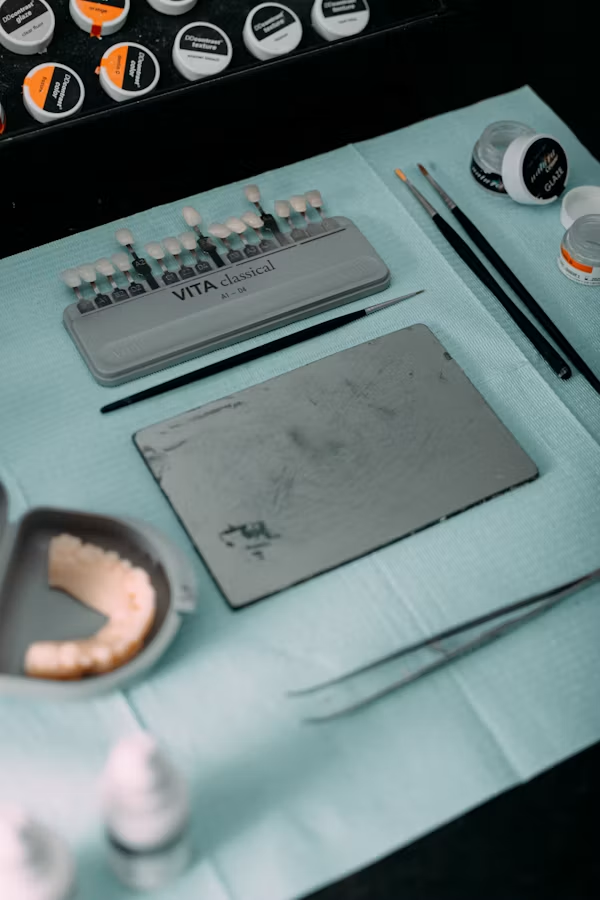
For practices looking for a dental laboratory in California with a digitally focused workflow, JCR AOX Designs is based in Clovis and works with practices throughout California and nationwide.
The laboratory combines digital design, consultation, final restorations, analog-to-digital conversion, redesign services, immediate-load support, and training. Its workflow keeps design and final production under one roof, with direct communication between dentists and designers.
JCR AOX Designs also emphasizes designer-direct communication, allowing dentists to discuss cases, review designs, request changes, and address concerns during the process. Its service information describes quality checks before final delivery and support for full-arch and immediate-load workflows.
For practices comparing laboratories, these capabilities may be particularly relevant when direct collaboration and digital case management are important parts of the workflow.
Looking for the right dental lab partner?
Contact our team to discuss your cases directly with a designer.
FAQs
Ethan Navarro
Hello, I'm Ethan Navarro, a California-based digital dental design specialist with extensive experience supporting clinicians through advanced CAD/CAM workflows, full-arch restorations, implant planning, and restorative design. I'm passionate about helping dental professionals simplify complex cases by combining precision, collaboration, and innovative digital solutions. Through my articles, I share practical insights on digital dentistry, laboratory workflows, restorative techniques, and emerging technologies that help practices improve efficiency, strengthen communication, and deliver predictable patient outcomes.
Work with our team