A Complete Guide to Digitizing Dental Files in Arvin
Learn how dental file conversion in Atwater transforms physical dental models into digital files, improving storage, accuracy, and modern dental workflows.
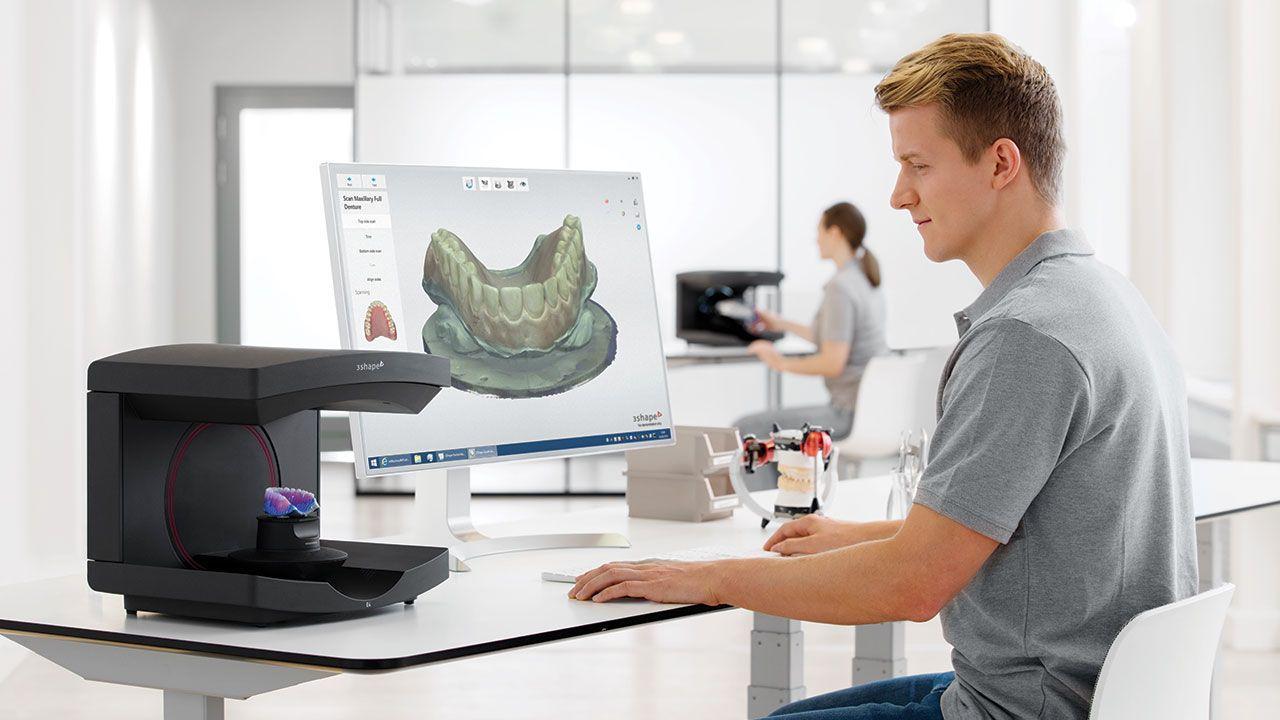
Dental laboratory technician scanning physical dental models for dental file conversion in Atwater.
Key Takeaways
- Digitizing physical dental models and records can make storage, retrieval, and laboratory collaboration more convenient.
- Choose the scanning or conversion method according to the source material and intended use of the digital file.
- Verify file compatibility, anatomical detail, quality checks, and secure transfer procedures before submitting a case.
Why Are Dental Practices Moving From Physical Records to Digital Files?
Dental laboratories and practices often work with physical impressions, plaster models, paper records, and existing digital scans. Converting these materials into usable digital files can make it easier to store case information, share records with laboratories, and prepare designs for computer-aided manufacturing.
For dental professionals in Arvin, digitizing dental files can be a practical way to modernize existing workflows without automatically replacing every established process. Although the topic focuses on Arvin, the supplied service page targets Atwater, so confirm service availability and submission arrangements for Arvin before choosing a provider.
With dental file conversion in Atwater, the important consideration is not simply creating a digital copy. The resulting files must also be suitable for their intended purpose, whether that means documenting a case, reviewing anatomy, or supporting a compatible dental CAD workflow.
What Does Dental File Digitization Involve?
Dental file digitization converts physical dental information or existing records into digital formats that can be accessed, reviewed, stored, or used in compatible software.
The process varies depending on the original material and the intended result.
Common types of dental digitization
- Physical dental models: A suitable 3D scanner captures the geometry of a plaster cast or model.
- Dental impressions: Compatible scanning equipment may capture impression details, depending on the material and required accuracy.
- Paper records and photographs: Documents can be scanned into digital files for organized recordkeeping.
- Existing digital scans: Files may be converted or prepared for another compatible software workflow when the original format is supported.
Not all digitization methods produce interchangeable files. A scanned document, a three-dimensional model, and a CAD design serve different purposes. Before starting, clarify whether you need an archival copy, a 3D surface model, or a production-ready design file.
How Does Analog-to-Digital Dental Conversion Work?
A reliable workflow starts with identifying the source material, choosing the appropriate capture method, and checking the resulting files before delivery.
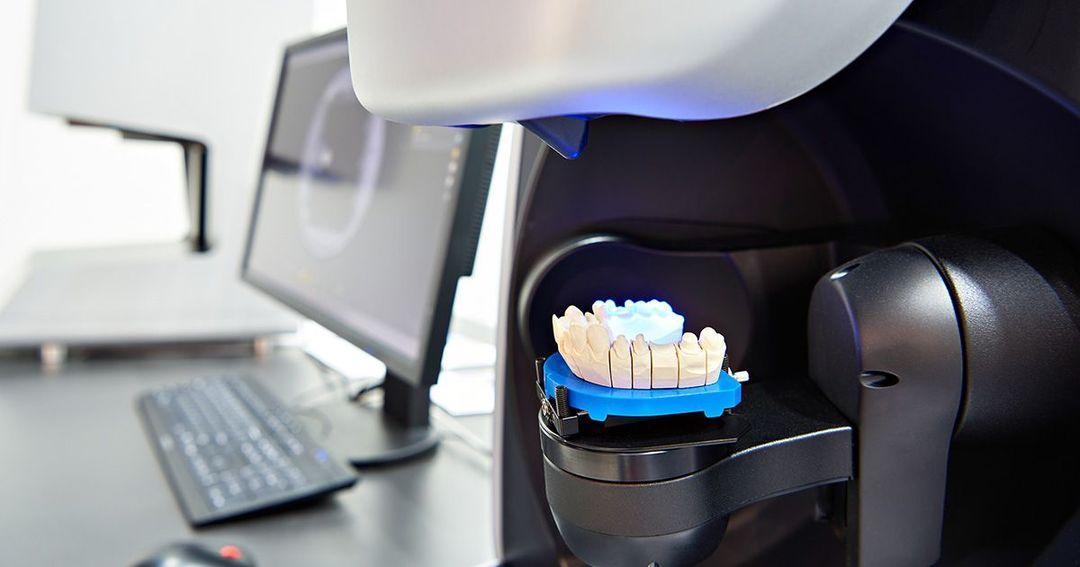
(Analog-to-Digital Dental Conversion in a dental lab)
Step 1: Review the original dental material
Identify what needs digitizing and how the output will be used. A physical crown model, orthodontic cast, and paper patient record require different handling and equipment.
Check that the source material is complete and sufficiently preserved. Missing edges, damaged impressions, or worn model surfaces may affect the usefulness of the resulting digital data.
Step 2: Capture the information
Depending on the project, the provider may use a 3D scanner, document scanner, or an existing digital source file. For three-dimensional dental models, scan coverage and the capture of important surface details are especially important.
Step 3: Process and inspect the digital file
The captured data may need alignment, cleanup, or conversion into a compatible format. The technician should check for missing surfaces, unwanted artifacts, and obvious defects before delivering the result.
Step 4: Verify the format and delivery requirements
Confirm the file type, resolution or level of detail, software compatibility, naming conventions, and transfer method before the project begins. A file that opens successfully may still be unsuitable for a specific CAD or manufacturing workflow.
Analog Records vs. Digital Dental Files
Digitizing records can simplify collaboration, but the best approach depends on the type of information being converted and the next step in the dental workflow.
| Feature | Traditional analog records | Digital dental files |
|---|---|---|
| Storage | Physical cabinets and model storage | Electronic storage and backups |
| Sharing | Physical delivery or mailing | Digital transfer through an appropriate secure method |
| Reviewing details | Direct examination of the original model | Compatible software and screen-based review |
| Reuse | Physical model must be retrieved | Saved files can be accessed when needed |
| CAD/CAM workflow | Usually requires digitization first | Can support compatible design and manufacturing workflows |
Where Can I Digitize My Dental Files in Arvin?
Dental professionals in Arvin can look for a dental laboratory or conversion provider that accepts their specific source materials and delivers files compatible with their intended workflow.
JCR AOX Designs offers an analog to digital dental conversion service for Atwater. Since the listed service page targets Atwater rather than Arvin, contact the company to confirm whether it accepts cases from Arvin, how physical models can be submitted, and which file formats are available.
Before choosing a provider, ask these questions:
- What materials do you accept? Confirm whether the provider can process your particular models, impressions, or existing files.
- Which output formats are available? Explain which CAD software or laboratory workflow will use the converted file.
- How is accuracy checked? Ask whether the converted file is reviewed for missing surfaces, artifacts, and relevant anatomical details.
- How are records transferred and protected? Dental files may contain sensitive patient information. Confirm secure submission, access controls, retention practices, and appropriate handling procedures.
- What is the expected turnaround? Request a realistic estimate based on the case type and any required refinements.
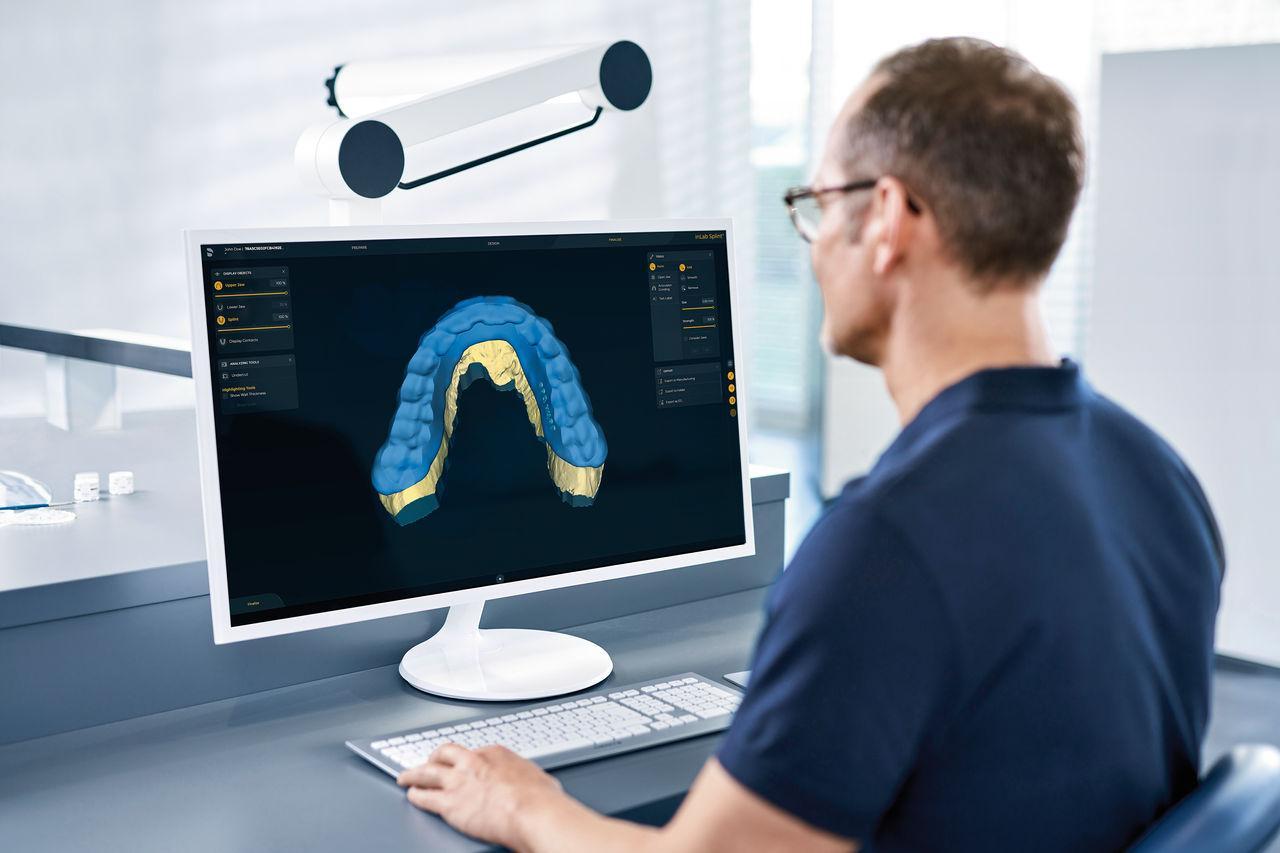
Dental technician reviewing a 3D model for digital dental conversion in Atwater
How Does Dental CAD Conversion Fit Into a Modern Workflow?
Once a dental model has been digitized, the file may become part of a wider computer-aided design process. Depending on the case and software, a technician may use the digital geometry to support restorative planning or subsequent laboratory design.
However, digital scanning and dental CAD design are not the same service. Scanning captures the shape of a model; CAD work uses digital tools to develop or modify a design. A converted file may need additional preparation before it can be used for a specific restoration or manufacturing process.
For a closer look at the next stage, read Dental CAD Conversion Services in California: Everything You Need to Know. The guide explains how conversion fits into digital dental workflows and what practices should consider when selecting a specialist.
Make Dental File Digitization Part of a Reliable Workflow
Digitizing dental records can help practices preserve existing case information, improve collaboration with laboratories, and prepare suitable records for compatible digital workflows. The best results come from matching the conversion method to the source material, checking the finished files, and confirming compatibility before production begins.
For dental professionals in Arvin and across California, JCR AOX Designs is a potential partner for analog-to-digital dental conversion. Contact the team to confirm Arvin service availability, discuss your case requirements, and determine the appropriate next step.
Frequently Asked Questions
Ethan Navarro
Hello, I'm Ethan Navarro, a California-based digital dental design specialist with extensive experience supporting clinicians through advanced CAD/CAM workflows, full-arch restorations, implant planning, and restorative design. I'm passionate about helping dental professionals simplify complex cases by combining precision, collaboration, and innovative digital solutions. Through my articles, I share practical insights on digital dentistry, laboratory workflows, restorative techniques, and emerging technologies that help practices improve efficiency, strengthen communication, and deliver predictable patient outcomes.
Work with our team