Dental Laboratory Services Explained: From Digital Design to Final Prosthetics
Explore dental lab services in California, from digital dental design to final prosthetics, and learn how to choose the right lab partner for your practice.
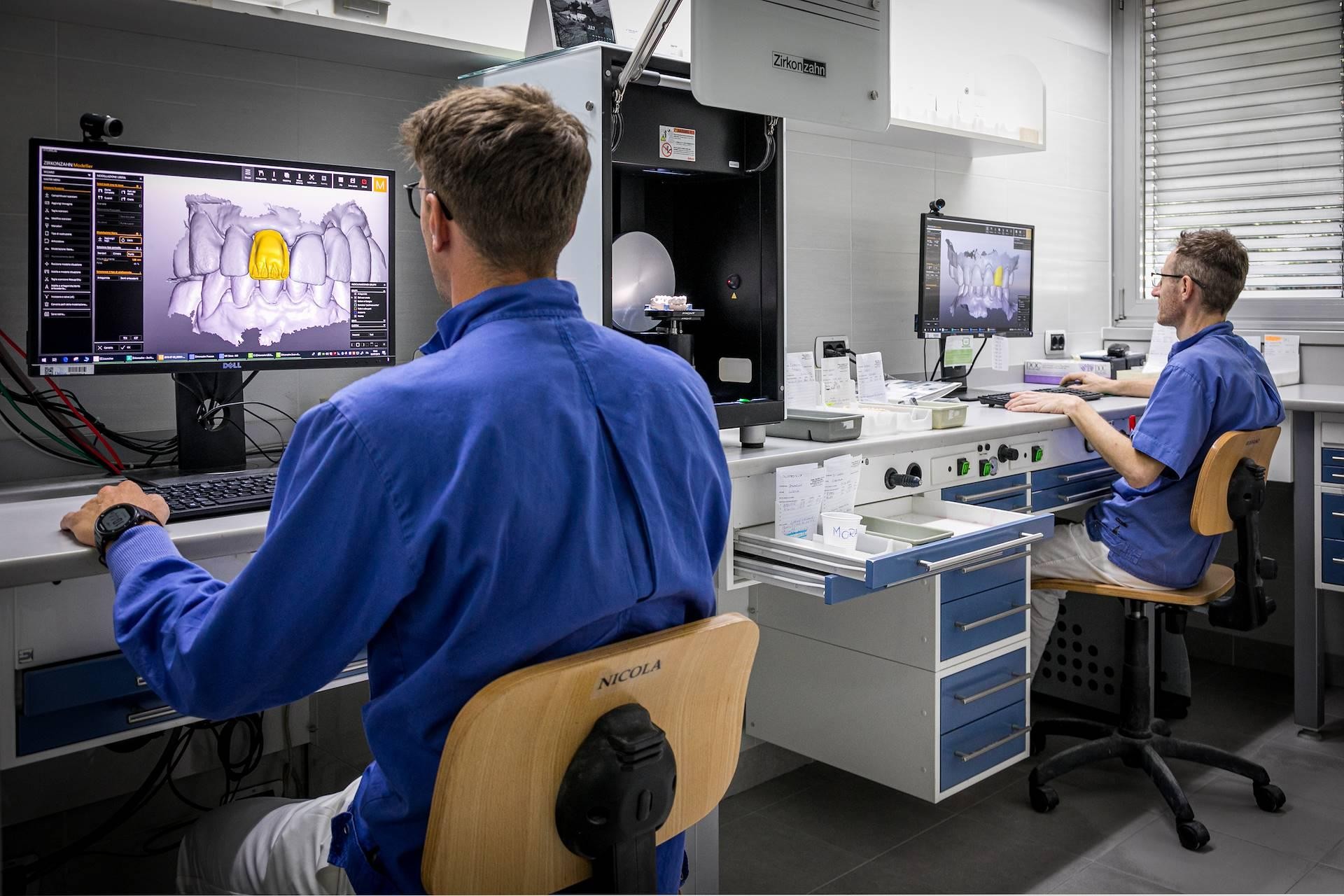
What happens between a dentist's treatment plan and the finished crown, bridge, denture, or implant restoration? Much of the work happens behind the scenes in a dental laboratory. For practices considering dental lab services in California, understanding that workflow helps them choose a partner that communicates clearly and produces consistent results.
A dental laboratory turns clinical records, digital scans, impressions, photographs, prescriptions, and bite records into custom restorations or appliances. The dentist remains responsible for diagnosis, treatment planning, and patient care; the laboratory fabricates the device. The American Dental Association lists crowns, bridges, dentures, veneers, orthodontic appliances, and splints among the work performed by dental technicians.
So, what services do dental labs typically offer? Most provide restoration design, CAD/CAM production, prosthetic fabrication, and digital workflow support. Some provide consultation and training.
What services do dental labs typically offer?
Digital Dental Design
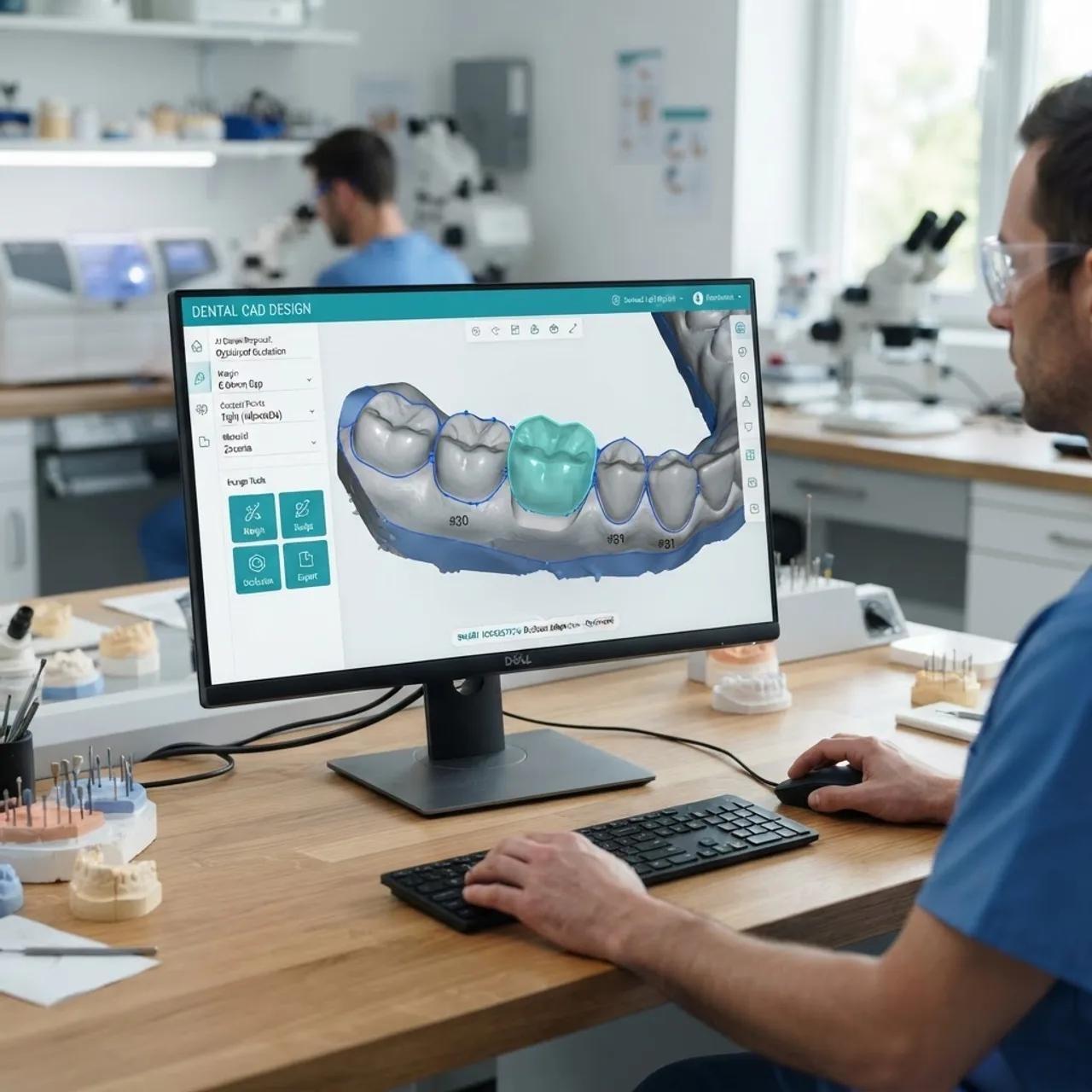
Labs can receive intraoral scans and use CAD software to design restorations before fabrication. Dental design services in California may cover crowns, bridges, implant restorations, full-arch cases, and provisionals.
Experienced designers look beyond appearance. Occlusion, emergence profile, contacts, margins, material requirements, and the dentist's clinical objectives all influence the final design.
Final Prosthetics and Restorations
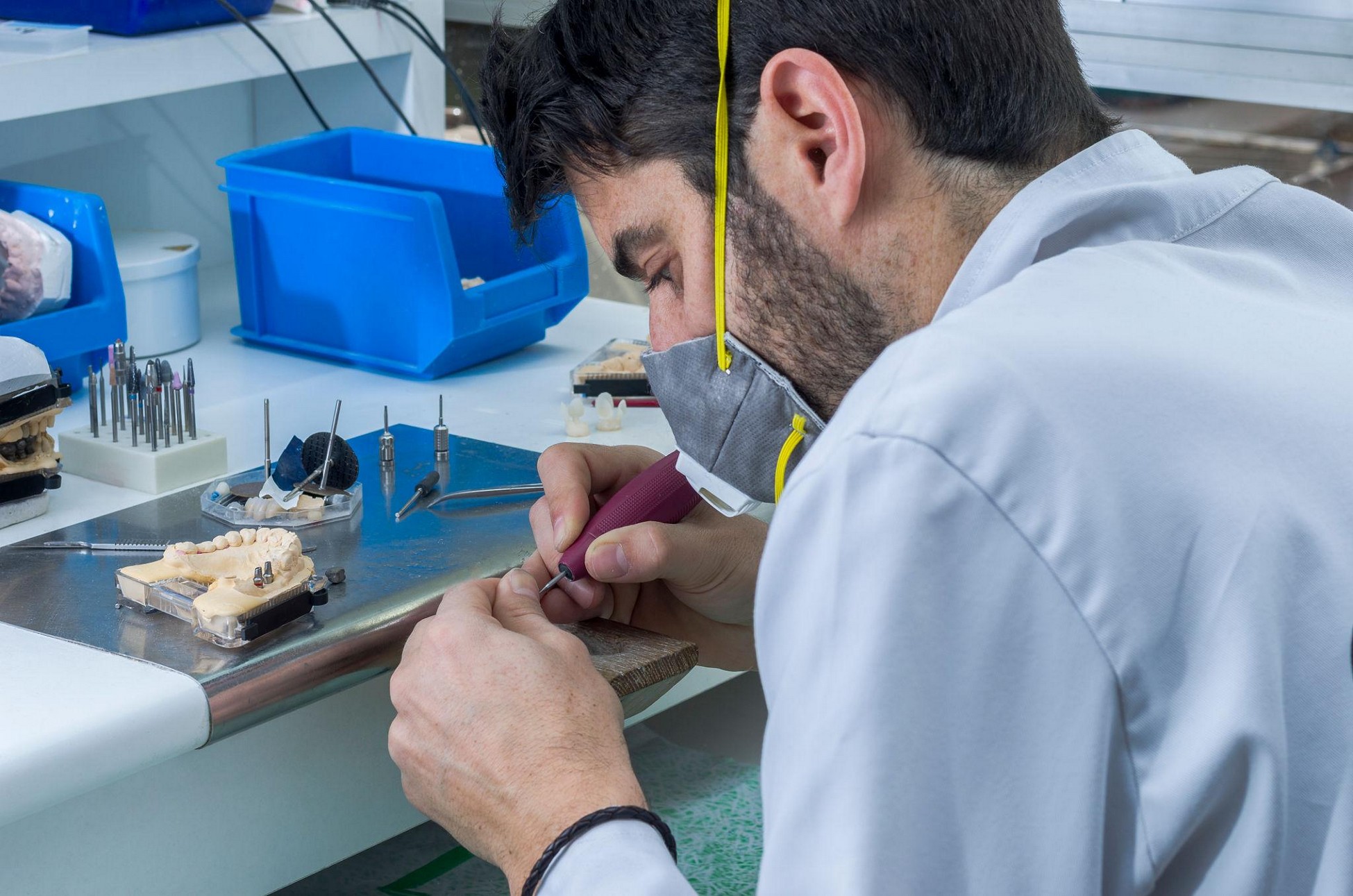
After approval, the laboratory fabricates the restoration using suitable materials and manufacturing methods. Depending on the lab, this may include crowns, bridges, veneers, dentures, and implant-supported prosthetics.
Material choice should follow the clinical indication rather than appearance. NIDCR notes that indirect restorations such as crowns, veneers, and bridges can be custom made using digital design, milling, or 3D printing.
Analog-to-Digital Conversion
Some practices still work with physical impressions and models. Labs can digitize these records into files that can be reviewed, redesigned, shared, and incorporated into CAD/CAM workflows.
This helps practices move toward digital dentistry without changing every process at once.
Redesign and Case Refinement
A capable lab should also be able to refine an existing case when a design needs correction. Rather than simply reproducing a questionable restoration, the dentist and designer can review the issue and make changes before final fabrication.
Direct designer communication is useful for complex implant, full-arch, and aesthetic cases.
Digital vs. Traditional Dental Lab Workflows
| Factor | Digital | Traditional |
|---|---|---|
| Records | Digital scans | Physical impressions |
| Design | CAD software | Physical models/manual techniques |
| Communication | Digital files | Physical cases/paperwork |
| Changes | Digital redesign | Physical adjustment/remake |
| Production | Milling/3D printing or hybrid | More manual fabrication |
Digital workflows can streamline communication, but technology does not remove the need for accurate records. Scan quality, margin visibility, tissue management, bite registration, and operator technique still affect outcomes.
How Do Dental Laboratory Solutions Improve Workflow?
Effective dental laboratory solutions in California connect design, communication, fabrication, and quality control rather than treating them as separate steps. Before choosing a lab, ask:
- Direct designer access for case questions
- Clear turnaround and rush policies
- Experience with your typical cases
- Material and manufacturing transparency
- Redesign and remake procedures
- Compatibility with your digital workflow
Keeping design and final fabrication coordinated can reduce unnecessary hand-offs. JCR Aox Designs describes its service model as combining digital design, consultation, and final laboratory production, with immediate-load support, redesign, analog-to-digital conversion, training, and full-service production.
For a practical partner-selection framework, the article TOP DENTAL LABS IN CALIFORNIA: How to Choose the Right Partner for Your Practice compares full-service, specialty, and digital laboratory models.
What Should Dentists Look for in Dental Design Services?
Start with communication. Dentists should provide complete prescriptions, accurate scans or impressions, bite information, and photographs or shade details when relevant. ADA guidance recommends clear instructions and accurate records when submitting cases to laboratories.
Then assess your case mix. A laboratory experienced in single crowns may have a different workflow for full-arch or immediate-load cases. Ask how complex cases are reviewed, how revisions are handled, and who oversees quality before delivery.
Building a Better Lab Partnership
Strong laboratory relationships are collaborative. When dentists and technicians communicate early, requirements become clearer, design decisions can be reviewed before fabrication, and avoidable surprises are easier to address.
For practices evaluating dental lab services, the goal should not be the biggest laboratory or lowest price. Choose a partner whose technology, craftsmanship, communication, turnaround, and case expertise match your practice.
Modern digital dental design services can connect digital planning with fabricated prosthetics, but technology works best alongside experienced professionals, accurate records, appropriate materials, and disciplined quality control.
Partner With the Right Dental Laboratory
From digital design and case refinement to final prosthetics, the right laboratory partner can help streamline your practice's workflow. Explore JCR AOX Designs' dental laboratory services and discover a collaborative approach built around precision, communication, and modern digital workflows.
Key Takeaways
- Dental lab services can include digital design, restoration fabrication, analog-to-digital conversion, case refinement, and prosthetic production.
- Digital workflows can improve communication and streamline case management, but accurate scans, impressions, prescriptions, and clinical records remain essential.
- When evaluating a laboratory, consider its experience, communication process, turnaround policies, technology, materials, and approach to complex cases.
- The right laboratory partnership combines digital technology with experienced design, quality control, and clear communication.
Have a case ready for digital design and final prosthetics?
Talk directly with the designer handling your crown, bridge, denture, or full-arch case, from digital planning through final fabrication.
Frequently Asked Questions
Ethan Navarro
Hello, I'm Ethan Navarro, a California-based digital dental design specialist with extensive experience supporting clinicians through advanced CAD/CAM workflows, full-arch restorations, implant planning, and restorative design. I'm passionate about helping dental professionals simplify complex cases by combining precision, collaboration, and innovative digital solutions. Through my articles, I share practical insights on digital dentistry, laboratory workflows, restorative techniques, and emerging technologies that help practices improve efficiency, strengthen communication, and deliver predictable patient outcomes.
Work with our team