How to Find a Reliable Digital Dental Lab for Accurate Restorations
Learn how to choose a reliable digital dental lab for accurate restorations by evaluating technology, communication, quality control, materials, and workflow.
Key Takeaways
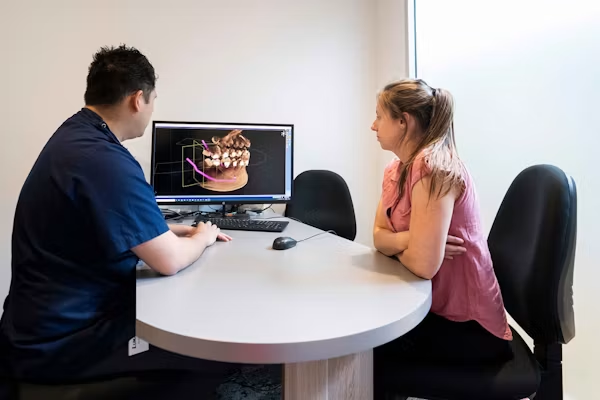
- A reliable digital dental lab should combine advanced technology with skilled technicians, consistent quality control, and clear communication.
- Digital workflows can improve efficiency and support precise restoration fabrication, but accuracy depends on the entire process, not technology alone.
- Before choosing a lab, dentists should evaluate its scanning, CAD/CAM, material, design, quality assurance, and case-support capabilities.
What Makes a Digital Dental Lab Reliable?
Choosing a dental laboratory is about more than finding a provider that can manufacture crowns or bridges. The laboratory becomes an important part of the restorative workflow, from receiving digital impressions and case instructions to designing and producing the final restoration.
For dentists exploring digital dental solutions in California, reliability should mean more than having the newest equipment. The right laboratory should combine digital technology with experienced technicians, careful case review, predictable communication, and attention to the clinical requirements of each restoration.
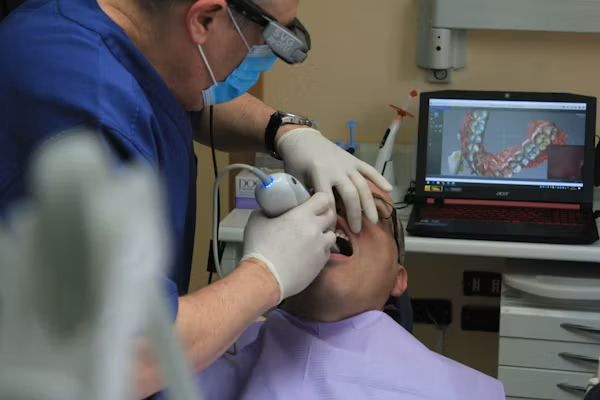
Digital dentistry uses tools such as intraoral scanning, computer-aided design (CAD), and computer-aided manufacturing (CAM). Research indicates that digital workflows can offer efficient and clinically acceptable results, although accuracy can vary depending on the workflow, technology, operator, and restoration type.
1. Look Beyond the Technology
A lab may advertise CAD/CAM systems, 3D printing, milling equipment, and digital design software. Those capabilities matter, but equipment alone does not guarantee a good restoration.
Ask how the laboratory actually uses its technology.
A dependable workflow should include:
- Accurate digital data intake
- Careful CAD design
- Appropriate material selection
- Experienced technical review
- Precise manufacturing
- Final quality checks before delivery
The goal is not simply to digitize the process. It is to reduce avoidable errors while maintaining control at every stage.
2. Ask How Digital Cases Are Reviewed
Digital files can move quickly between a dental practice and laboratory, but speed should not replace case assessment.
A reliable laboratory should have a process for reviewing submitted scans, preparation details, margins, bite information, photographs, and prescription instructions. If something appears incomplete or unclear, the team should communicate with the dental practice before manufacturing begins.
This is particularly important for complex restorative cases. A missing detail caught early is much easier to address than a restoration that needs to be remade later.
3. Evaluate the CAD/CAM Workflow
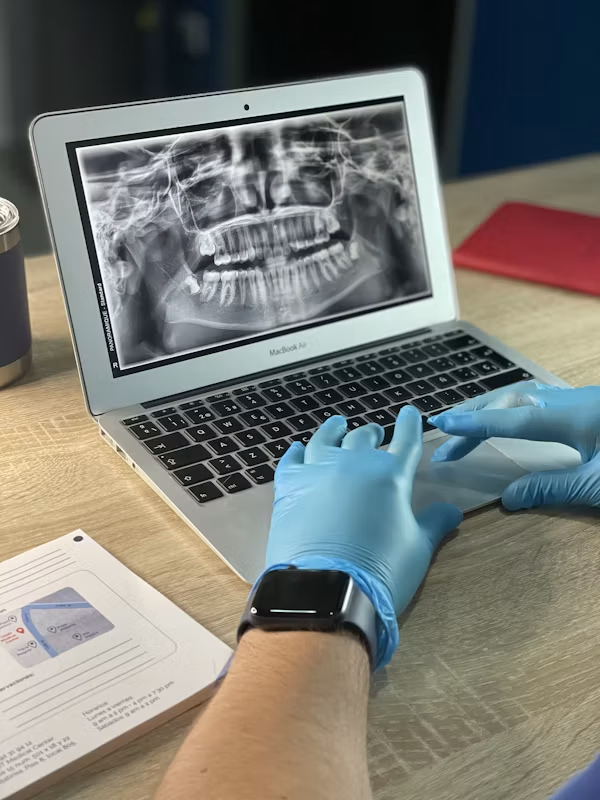
CAD/CAM is one of the foundations of modern digital laboratory dentistry. The process generally involves converting clinical data into a digital model, designing the restoration, and manufacturing it through milling or additive methods.
However, different workflows can produce different results. Research has found that digital impression systems can vary in accuracy, while restoration fit also depends on factors such as the specific system and clinical situation.
That means dentists should ask practical questions rather than simply asking whether a laboratory is "digital."
| What to Evaluate | Why It Matters |
|---|---|
| Digital impression handling | Helps ensure submitted data is usable |
| CAD design process | Influences anatomy, contacts, margins, and fit |
| Manufacturing method | Affects how the digital design becomes a physical restoration |
| Material options | Allows material selection based on the restoration |
| Quality control | Helps identify issues before delivery |
| Case communication | Reduces misunderstandings and avoidable remakes |
4. Check Material and Restoration Expertise
Not every restoration should be approached in exactly the same way.
Depending on the case, dentists may work with materials such as zirconia, lithium disilicate, resin-based materials, or other CAD/CAM options. Material selection should consider the restoration's location, functional demands, esthetic requirements, preparation, and clinical prescription.
Capable dental labs in California should therefore understand more than how to operate a milling machine. Its technical team should know how design and material choices interact with the intended clinical result.
Recent research on CAD/CAM materials highlights differences in mechanical and esthetic properties, reinforcing the importance of appropriate material selection rather than treating every restoration as interchangeable.
How Can I Find a Reliable Digital Dental Lab?
Start by comparing laboratories based on workflow quality rather than marketing claims. Ask for information about their technology, technicians, materials, quality-control procedures, communication process, and experience with the types of restorations you regularly prescribe.
It can also help to review sample cases and understand how the laboratory handles digital impressions, CAD design, manufacturing, finishing, and final inspection.
Dentists should also remember that digital does not automatically mean perfect. Current research supports digital workflows as a viable alternative in many restorative situations, but evidence does not show that one workflow is universally superior for every case.
Why Local Experience Can Matter
Working with a dental laboratory in California can offer practical advantages when the laboratory understands the expectations, workflows, and communication needs of local dental practices.
Location, however, should not be the only deciding factor. The stronger question is whether the laboratory can consistently provide the technical capabilities and case support a practice needs.
Among dental labs in California, dentists should compare workflow transparency, restoration expertise, communication, quality assurance, and the laboratory's ability to handle both routine and complex digital cases.
Choosing JCR AOX Designs for Digital Dental Support
After evaluating the factors above, dentists can make a more informed decision about which laboratory best fits their practice.
JCR AOX Designs provides digital dental solutions designed around modern laboratory workflows. Its services can be considered by dental practices looking for a laboratory partner that understands the importance of digital case handling, restoration design, manufacturing, and communication.
The most valuable laboratory relationship is not necessarily the one promising the fastest turnaround or the most impressive technology list. It is the one that consistently supports accurate, well-planned restorations through a dependable process.
FAQs
Ethan Navarro
Hello, I'm Ethan Navarro, a California-based digital dental design specialist with extensive experience supporting clinicians through advanced CAD/CAM workflows, full-arch restorations, implant planning, and restorative design. I'm passionate about helping dental professionals simplify complex cases by combining precision, collaboration, and innovative digital solutions. Through my articles, I share practical insights on digital dentistry, laboratory workflows, restorative techniques, and emerging technologies that help practices improve efficiency, strengthen communication, and deliver predictable patient outcomes.
Work with our team