
Immediate-Load Cases: How Digital Workflows Save Chair Time (and Your Sanity)
Immediate-load cases don't have to be chaos. See how a real-time digital workflow turns same-day smiles into a predictable, repeatable process for your practice.
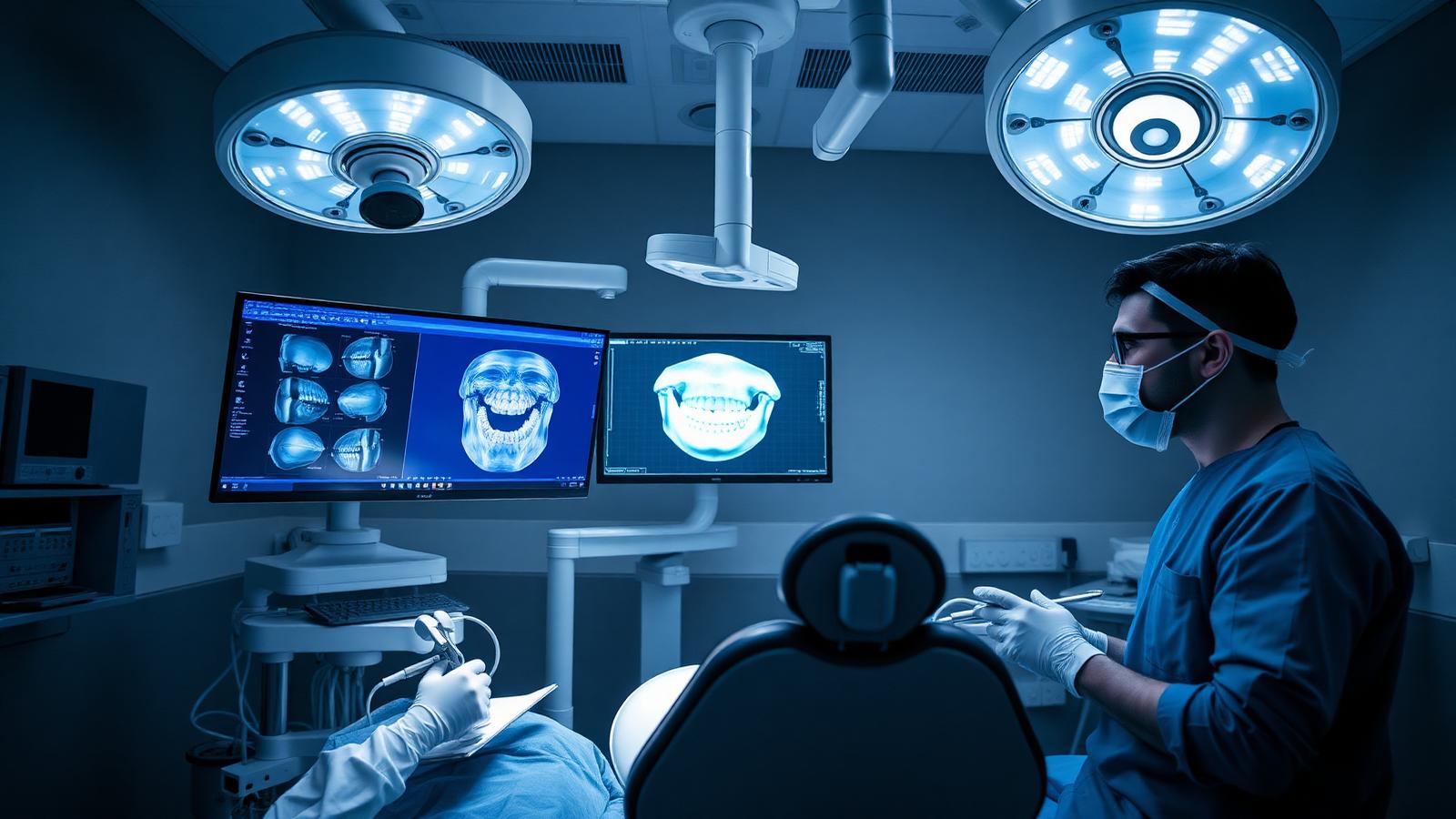
Key Takeaways
- Immediate-load success depends on removing bottlenecks before the patient sits down, not working faster once they do.
- Pre-planned guides and pre-modeled provisionals let the surgical and restorative steps run in parallel instead of in sequence.
- A designer who is reachable in real time during the case prevents mid-surgery guesswork and redo appointments.
- Practices that build a true digital workflow report significantly fewer chair-time overruns on full-arch and same-day cases.
- The single biggest point of failure in immediate-load dentistry isn't the surgery, it's a slow or unreachable design partner.
Same-Day Smiles Are the New Standard, Not the Exception
Patients don't want to hear that they'll be walking around without teeth for a few days while a lab catches up. They want to leave the same appointment with a smile they're proud of, and more practices are figuring out how to deliver exactly that. What changed isn't the surgery itself, implant placement techniques have been refined for years. What changed is everything that happens around the surgery: the digital scan that replaces a mailed impression, the guide that's milled before the patient even sits down, and the provisional that's already modeled and waiting rather than rushed together at the last minute. That shift is largely thanks to digital dental design services in california, which turn a high-stakes, one-shot procedure into a repeatable, well-rehearsed process.
The Real Choreography of a Same-Day Case
Immediate-load dentistry isn't about moving faster once the patient is in the chair. It's about clearing every bottleneck out of the way before they arrive, so the appointment feels less like an emergency and more like a rehearsed routine. That means:
- Guides and surgical plans finalized and verified days in advance, not the night before.
- Provisionals pre-modeled from the diagnostic wax-up, ready to be refined rather than built from scratch.
- A designer on call for the entire appointment window, not just reachable by voicemail.
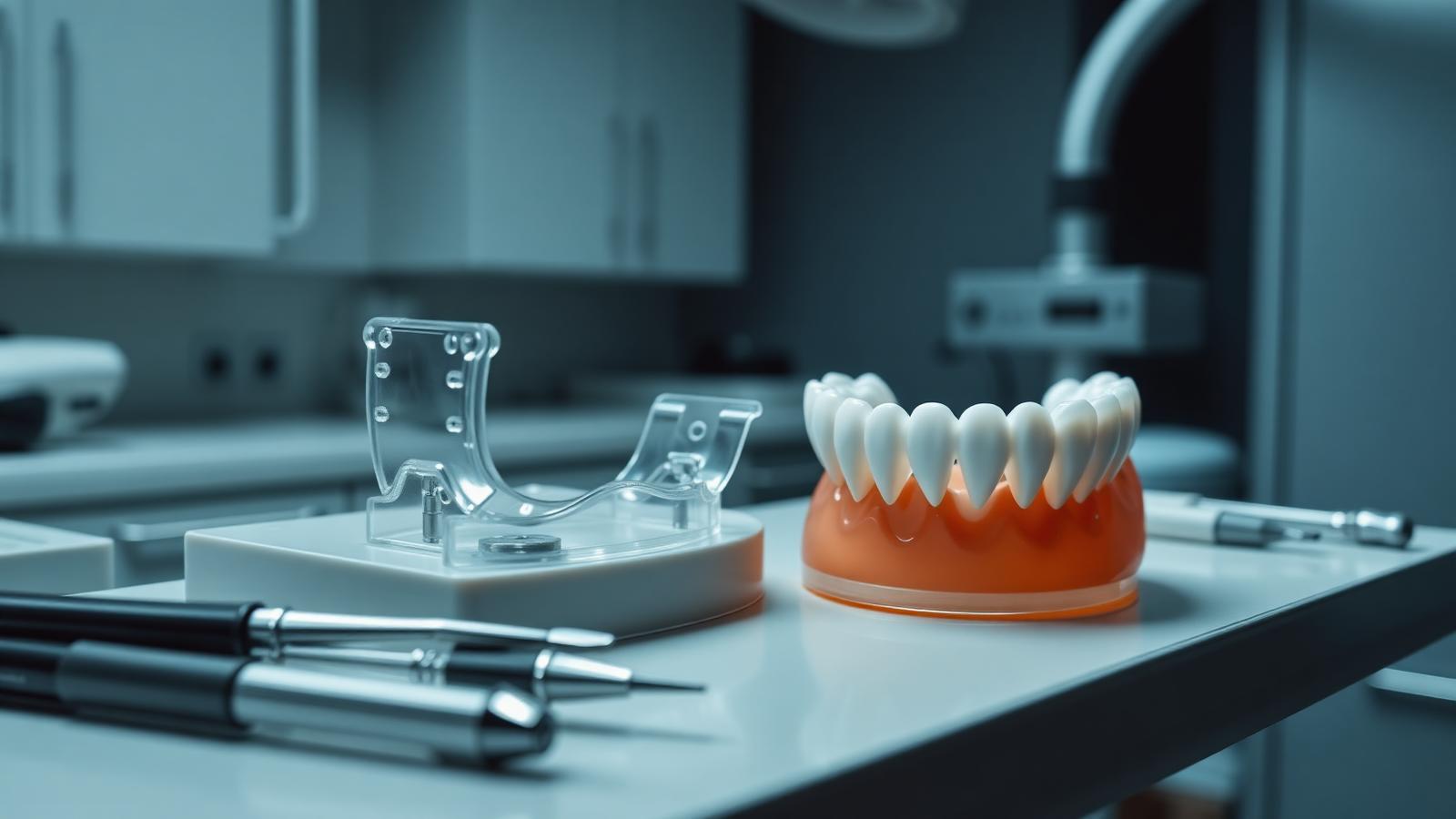
When those three pieces are wired together correctly, the patient leaves with a functional, good-looking prosthesis the same day they arrived missing teeth. That's the whole promise of immediate-load, and it only holds up if the digital side of the workflow is airtight.
Traditional Workflow vs. a Real-Time Digital Workflow
The gap between an analog-reliant lab relationship and a true digital partnership is easiest to see side by side:
| Workflow Stage | Traditional / Analog Approach | Real-Time Digital Workflow |
|---|---|---|
| Case Planning | Physical models mailed back and forth; days of turnaround | Digital scans and guides finalized before the patient ever arrives |
| Mid-Surgery Adjustments | Call the lab, leave a message, wait for a callback | Live screenshare with a designer while the patient is still in the chair |
| Provisional Fabrication | Fabricated after the fact, often requiring a second visit | Pre-modeled in advance, refined in real time if anatomy shifts |
| Turnaround for Revisions | 24-72 hours, sometimes longer | Minutes to hours, while the surgical team is still on-site |
| Risk of Chair-Time Overrun | High, delays cascade through the whole schedule | Low, bottlenecks are resolved before they happen |
Why Timing Is the Whole Ballgame in Immediate-Load Cases
Every full-arch or same-day case has a moment where the plan meets reality, bone density is different than expected, an implant angle shifts, or the provisional needs a last-minute adjustment to fit properly. In a traditional model, that moment triggers a phone call, a message, and a wait. The surgical team either pauses the case or improvises without design input. Neither option is good for the patient, and neither is good for the practice's schedule.
In a real-time digital workflow, that same moment triggers a screenshare. The designer sees exactly what the surgeon sees, adjusts the plan on the spot, and sends back a revised file while the patient is still numb, an approach research consistently links to shorter chair time and treatment duration. Below is a snapshot of how that difference typically plays out across a full-arch immediate-load case:
| Metric | Analog-Reliant Practice | Digitally-Integrated Practice |
|---|---|---|
| Average chair time per full-arch immediate-load case | 5-7 hours | 3-4.5 hours |
| Time to reach a designer during a live case | Hours (call-back model) | Minutes (live screenshare) |
| Provisional remakes due to design mismatch | Common | Rare |
| Patient same-day discharge with a functional prosthesis | Not guaranteed | Standard expectation |
The Hidden Cost of a Slow Design Partner
Immediate-load cases simply do not tolerate slow vendors. If a practice can't reach its designer between the surgical step and the provisional step, it is essentially running the case blind and hoping nothing needs to change. That gamble shows up in ways that are easy to underestimate: a provisional that needs to be redone, a patient who leaves without a functional bite, or a schedule that backs up for the rest of the day because one case ran two hours long. None of that is a reflection of the surgeon's skill, it's a reflection of the support system behind them.
What a True Digital Partner Actually Looks Like
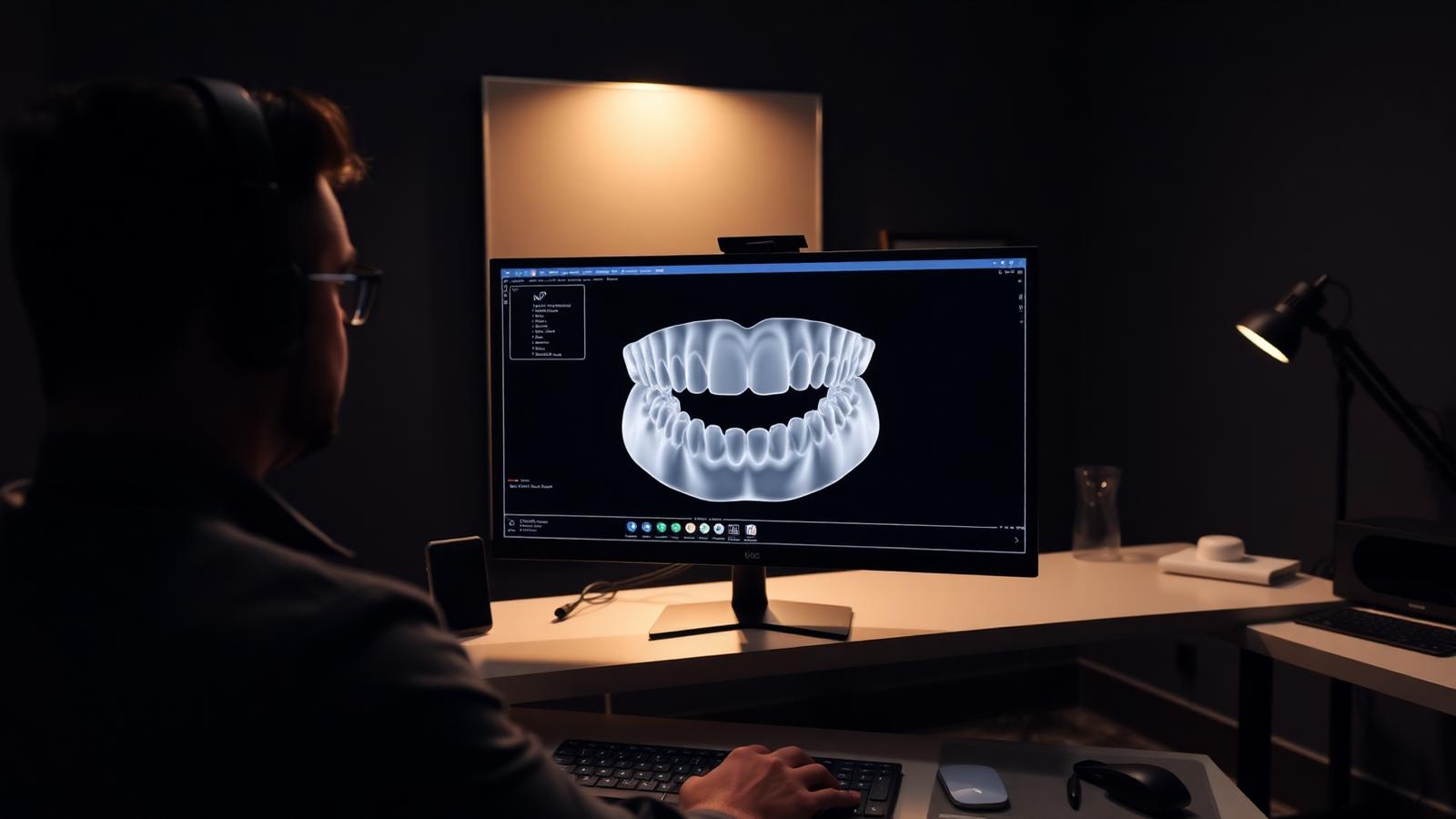
A same-day workflow that holds up under pressure assumes the designer is effectively in the room, even if they're five hundred miles away. That means live screenshare during the case, live iteration on the design when anatomy doesn't match the plan, and live delivery of the revised file so the surgical team never has to stop and wait. It's a different working relationship than the old model of submitting a case and hoping it comes back right, it's closer to having a specialist standing chairside, minus the commute.
Bringing It All Together
Immediate-load dentistry will always be the highest-stakes work a practice takes on, there's no partial credit when a patient is expecting to leave with teeth. But it doesn't have to be heroic. With the right planning, the right pre-modelled provisional, and a design partner who answers in real time instead of next week, same-day cases become predictable instead of stressful. If your current workflow still depends on a callback and a crossed-finger wait, it may be time to rethink who's designing your immediate-load cases and how quickly they respond when it matters most. Reach out to our team through our contact page to see how a live, designer-direct workflow could change the way your practice handles same-day cases.
At JCR AOX Designs, the goal is simple: give doctors a design partner who picks up the phone, iterates in real time, and treats every immediate-load case with the urgency it deserves. Family-owned and designer-led, the team behind JCR AOX Designs works directly with clinicians throughout California's Central Valley and beyond, not through a ticketing portal, but through a real, reachable person.
Frequently Asked Questions
Ethan Navarro
Hello, I'm Ethan Navarro, a California-based digital dental design specialist with extensive experience supporting clinicians through advanced CAD/CAM workflows, full-arch restorations, implant planning, and restorative design. I'm passionate about helping dental professionals simplify complex cases by combining precision, collaboration, and innovative digital solutions. Through my articles, I share practical insights on digital dentistry, laboratory workflows, restorative techniques, and emerging technologies that help practices improve efficiency, strengthen communication, and deliver predictable patient outcomes.
Work with our team