The Patient Experience Difference: Digital vs. Analog Finals
Discover how a digital dental lab in California improves patient comfort, treatment efficiency, and natural-looking restorations compared to analog workflows.
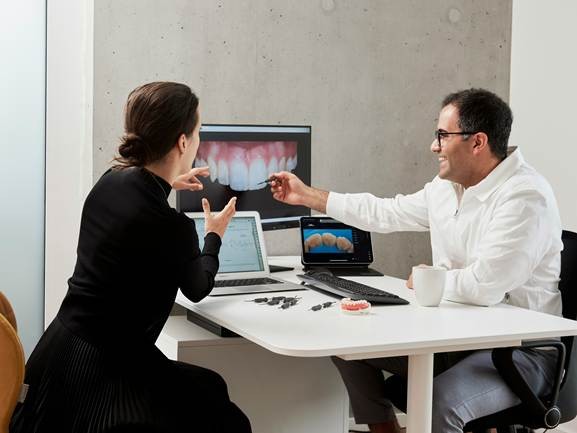
The success of a dental restoration isn't measured only by its fit or function; it's also reflected in the patient's experience. While patients may never evaluate a restoration's margins or occlusion, they immediately notice how comfortable the process was, how natural their new smile looks, and how confidently they can return to everyday life.
As more practices embrace a digital dental lab in California, the conversation has shifted beyond technology itself. Digital workflows are helping dental teams deliver a smoother patient journey, fewer appointments, and restorations that closely mimic natural teeth. Understanding how digital and analog workflows differ from the patient's perspective can help clinicians choose solutions that improve both clinical outcomes and overall satisfaction.
Digital vs. Analog Finals: What's the Difference?
Digital workflows use intraoral scans, CAD/CAM design, and advanced manufacturing technologies to create restorations with greater precision, while analog workflows rely on conventional impressions, stone models, and manual fabrication techniques.
Both methods can produce functional restorations, but digital dentistry often offers greater consistency, improved communication between the clinician and laboratory, and a more comfortable patient experience.
Why Patients Notice the Difference
Patients rarely ask whether a restoration was designed digitally or conventionally. Instead, they remember how the appointment felt and whether the final result met their expectations. Several aspects of a digital workflow directly influence that experience:
- More comfortable digital impressions.
- Fewer adjustments during delivery.
- Improved appointment efficiency.
- Better communication throughout treatment.
- Natural-looking final restorations.
These factors often contribute to greater patient confidence and higher treatment acceptance.
A More Comfortable Appointment from Start to Finish
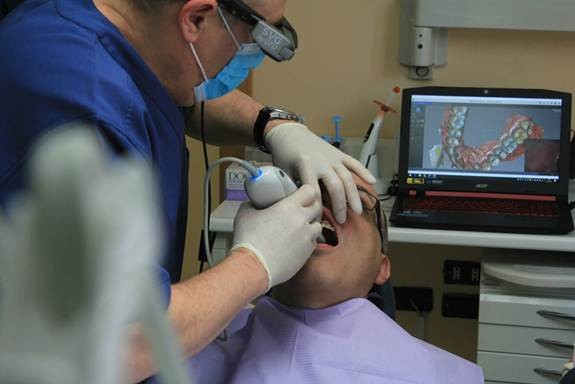
Traditional impressions have long been associated with discomfort. Impression material, trays, and the possibility of retakes can make the appointment stressful, particularly for patients with a sensitive gag reflex.
Modern digital scanners eliminate many of these challenges by capturing highly accurate digital impressions in a faster and more comfortable way. If additional information is required, clinicians can simply rescan a specific area rather than repeating the entire impression.
As more practices move from analog to digital dental in California, patients increasingly expect this streamlined experience because it reduces inconvenience while maintaining excellent clinical accuracy.
Better Communication Leads to Better Outcomes
One of the greatest strengths of digital workflows is improved collaboration between the dentist and the laboratory.
Digital files can be reviewed almost immediately, allowing technicians to evaluate scans, identify missing information, and communicate with the clinical team before fabrication begins. This collaborative approach helps reduce delays while improving the predictability of the final restoration.
From an industry perspective, high-quality digital records also support greater consistency across complex restorative cases, particularly when multiple clinicians or specialists are involved.
Natural Esthetics Patients Appreciate
Patients may not understand translucency, surface texture, or emergence profiles, but they immediately recognize whether their restoration looks natural.
A carefully designed premium dental prosthesis in California should blend with the surrounding dentition rather than drawing attention to itself. Achieving this requires more than advanced software; it depends on thoughtful design, attention to anatomical detail, and close collaboration between the clinician and laboratory.
Experienced technicians evaluate factors such as facial harmony, smile line, gingival contours, and occlusal function to create restorations that not only fit well but also feel comfortable and appear lifelike.
Digital vs. Analog Finals: A Quick Comparison
| Feature | Digital Workflow | Analog Workflow |
|---|---|---|
| Patient Comfort | Digital scans reduce discomfort | Conventional impressions may be uncomfortable |
| Accuracy | Highly precise digital records | Depends on impression quality and model accuracy |
| Communication | Real-time digital collaboration | Manual communication and shipping |
| Remakes | Often reduced through improved data accuracy | Greater potential for remakes due to impression issues |
| Patient Experience | Faster, more convenient appointments | Longer, more traditional workflow |
While every case is unique, digital workflows often provide efficiencies that benefit both clinicians and patients throughout treatment.
Why Laboratory Collaboration Matters
Technology alone does not guarantee exceptional results. Even the most advanced scanners and software depend on the expertise of skilled technicians who understand restorative design principles.
An experienced digital laboratory reviews incoming scans, identifies potential concerns before fabrication, and communicates proactively with the clinical team. This collaborative process helps minimize adjustments at delivery while supporting predictable restorative outcomes.
If you're evaluating laboratory partners, our guide on what to look for in a digital dental lab in California explores the qualities, technology, and workflow support that contribute to consistent clinical success. Practices seeking comprehensive restorative support can also benefit from partnering with providers that offer digital workflow guidance, restorative planning, and collaborative laboratory solutions throughout the treatment process.
The Role of Evidence-Based Digital Dentistry
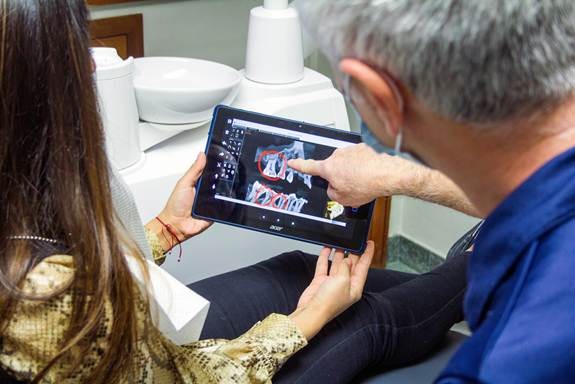
According to the American Dental Association's Digital Dentistry and Technology resources, digital workflows support more efficient clinical processes, improved communication, and advancements in treatment planning when implemented appropriately. While digital technology does not replace clinical judgment, it provides valuable tools that help dental teams deliver more predictable care and improve the overall patient experience.
Creating an Experience Patients Remember
For patients, the difference between digital and analog finals comes down to comfort, efficiency, and natural-looking results. For clinicians, partnering with a trusted digital dental lab supports predictable outcomes through skilled collaboration and advanced technology, creating a better experience for everyone involved.
Elevate Your Digital Dental Workflow
Looking for a reliable partner to support your restorative cases? JCR AOX Designs combines advanced digital technology with experienced craftsmanship to help dental professionals achieve predictable results and exceptional patient experiences. Contact our team today to learn how our digital dental solutions can support your practice.
Key Takeaways
- Digital workflows improve patient comfort by eliminating traditional impressions and reducing appointment time.
- Transitioning from analog to digital dental in California enhances collaboration between clinicians and laboratories.
- A premium dental prosthesis in California offers natural esthetics, improved fit, and predictable outcomes.
- Partnering with an experienced digital dental laboratory supports a better patient experience from treatment planning to final delivery.
Frequently Asked Questions
Ethan Navarro
Hello, I'm Ethan Navarro, a California-based digital dental design specialist with extensive experience supporting clinicians through advanced CAD/CAM workflows, full-arch restorations, implant planning, and restorative design. I'm passionate about helping dental professionals simplify complex cases by combining precision, collaboration, and innovative digital solutions. Through my articles, I share practical insights on digital dentistry, laboratory workflows, restorative techniques, and emerging technologies that help practices improve efficiency, strengthen communication, and deliver predictable patient outcomes.
Work with our team