What to Expect from a Dental Lab Specializing in Final Prosthesis Fabrication
Learn what to expect from a dental lab specializing in final dental prosthesis fabrication in California, from digital design to quality checks and finishing.
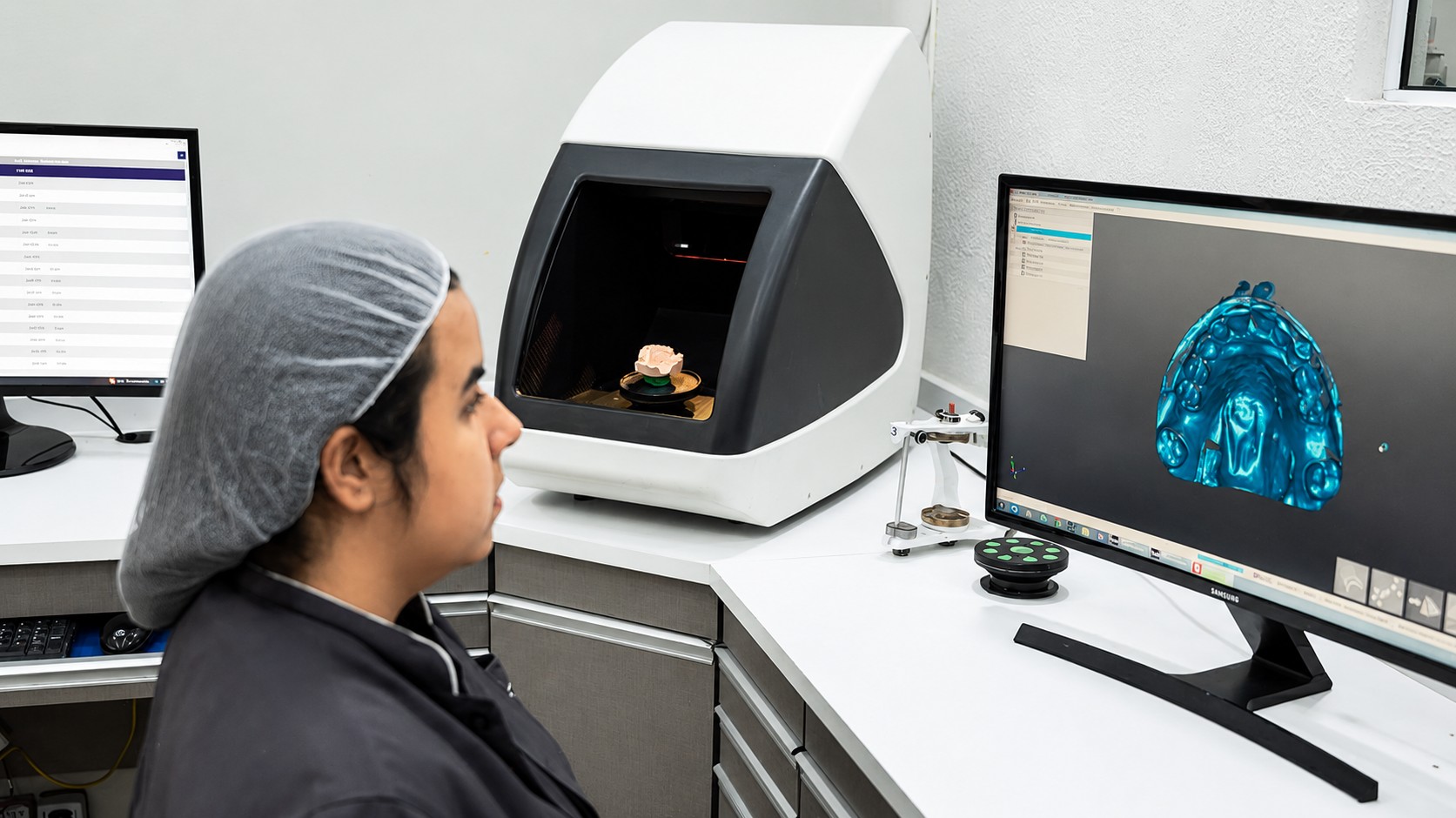
When a dentist approves a restorative design, the case is not finished. The final fabrication stage determines how closely the prosthesis reflects the approved plan, including contours, surface character, fit, and appearance. Choosing a laboratory for final dental prosthesis in California therefore means evaluating more than equipment or turnaround promises. You want a team that understands the final stage of restorative production and follows a repeatable quality-control process.
A final-prosthesis laboratory takes an approved design and turns it into a restoration ready for placement. That involves fabrication, refinement, finishing, polishing, and inspection rather than simply manufacturing a digital file.
What does the final fabrication process involve?
A dependable workflow typically includes:
- Case review: The laboratory verifies the approved design, specifications, materials, and available case information.
- Fabrication: The restoration is produced using the selected material and appropriate laboratory techniques.
- Refinement: Contours, soft-tissue transitions, anatomy, and surface details are refined to match the planned restoration.
- Characterization and polishing: Surface texture, color-related details, and final polish are developed according to case requirements.
- Quality inspection: The completed prosthesis is checked for consistency, accuracy, finish, and readiness before shipment.
How does experience in dental prosthesis fabrication in California matter most?
The difference is usually found in process discipline. A laboratory specializing in final restorations should explain how it controls quality, communicates case details, and handles questions or required changes.
Look for:
- Experienced technicians who understand restorative anatomy and finishing.
- Clear communication between the dentist and laboratory team.
- Consistent material and manufacturing protocols.
- A defined inspection process before delivery.
- Digital workflow compatibility for electronically submitted cases.
- Realistic turnaround expectations.
The American Dental Association standards program addresses areas including prosthodontic materials and CAD/CAM dentistry, reflecting the industry's focus on predictable materials, processes, and technology.
In real-world cases, consistency is often the deciding factor. A laboratory should be able to reproduce the approved anatomy and finishing approach across cases while documenting specifications clearly. That becomes particularly valuable when a practice manages multiple clinicians or recurring restorative workflows, without creating unnecessary chairside surprises for clinicians later.
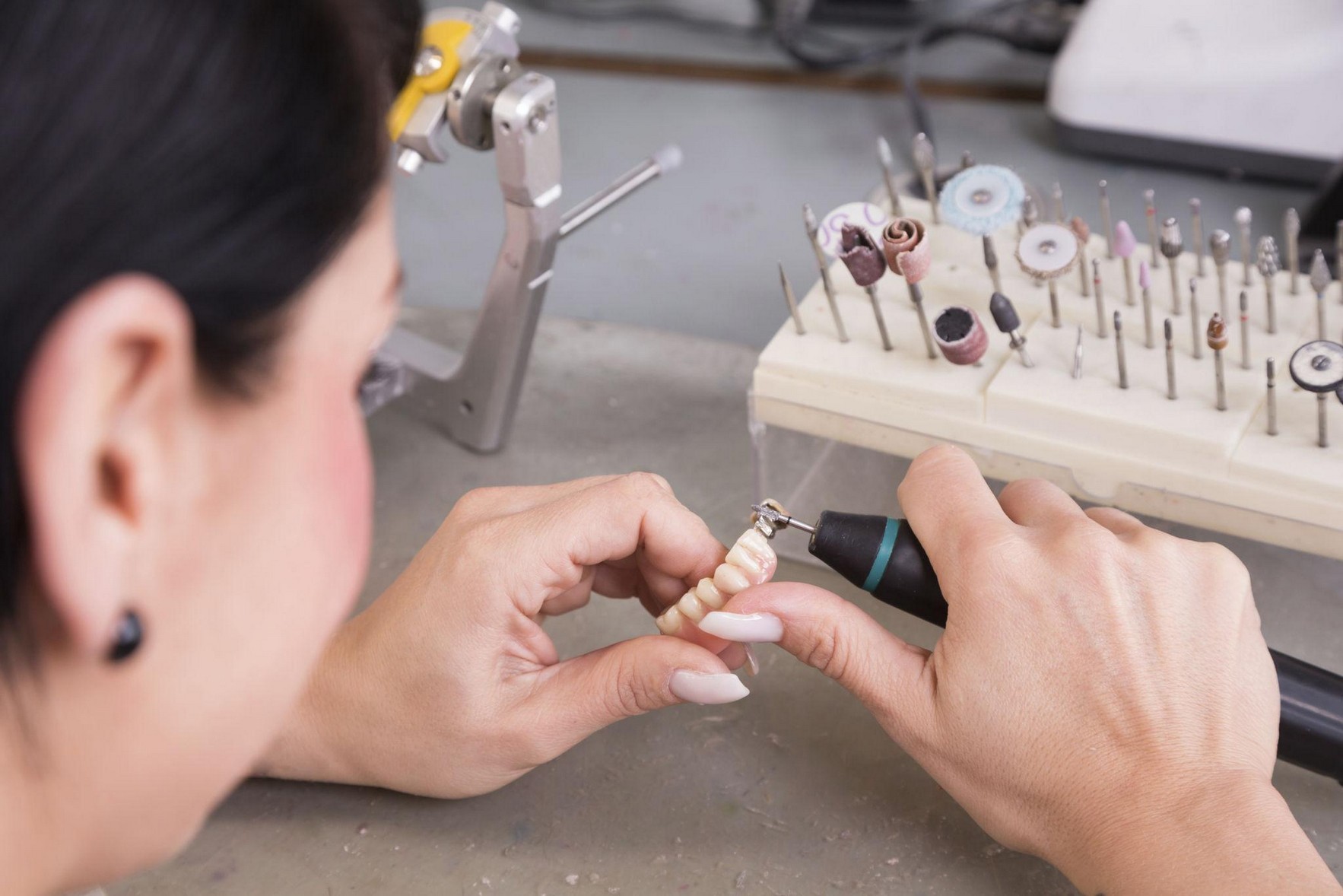
Digital workflow vs. final fabrication: Are they the same?
No. Digital design and final fabrication are connected, but they are different stages.
| Digital design | Final fabrication |
|---|---|
| Creates the approved virtual restoration | Produces the physical restoration |
| Focuses on anatomy, occlusion, and design | Focuses on manufacturing and finishing |
| Uses CAD and digital planning tools | Combines production technology with laboratory craftsmanship |
| Ends with an approved design | Ends with a clinically ready prosthesis |
A strong laboratory should understand both sides.
Which dental laboratory specializes in final dental prosthesis fabrication?
JCR AOX Designs specializes in final prosthesis production, transforming approved digital designs into finished restorations. Its final service includes in-house soft-tissue contour refinement, natural surface characterization, polishing, and quality inspection.
For practices seeking custom dental prosthesis in California, this integrated workflow can simplify communication because design intent and finishing requirements remain closely connected. JCR AOX Designs also describes direct collaboration with design professionals and case-level quality checks before delivery.
What should dentists ask before choosing a final-prosthesis lab?
Before sending cases, ask practical questions that reveal how the laboratory works:
- Who reviews the case before fabrication?
- How are material specifications documented?
- What quality checks happen before shipment?
- How are adjustments or remakes handled?
- Can the laboratory communicate directly with the clinical team?
- What turnaround time is realistic for routine and complex cases?
- Can you review representative completed cases?
If you are comparing digital laboratories, 7 Things to Look for in a Digital Dental Lab in California offers context on technology, material quality, communication, turnaround, and technical support. Read the guide.
Why does finishing quality matter in the final restoration?
Final finishing is where technical production becomes a restoration intended for a real patient. Contours should support the approved design, surfaces should be appropriately refined, and the completed restoration should be inspected before leaving the laboratory.
For dentists considering premium dental prosthesis in California, the goal should not simply be a polished product. It should be consistent between the prescription, approved design, fabricated restoration, and clinical requirements.
A laboratory specializing in final work should function as a production partner, not just a manufacturer. The strongest workflow is one where expectations are clear before fabrication, communication remains accessible during production, and every case passes a deliberate final review.
When those fundamentals are in place, final dental prosthesis becomes less about chasing a finished product and more about building a predictable restorative process from approved design to clinical delivery.
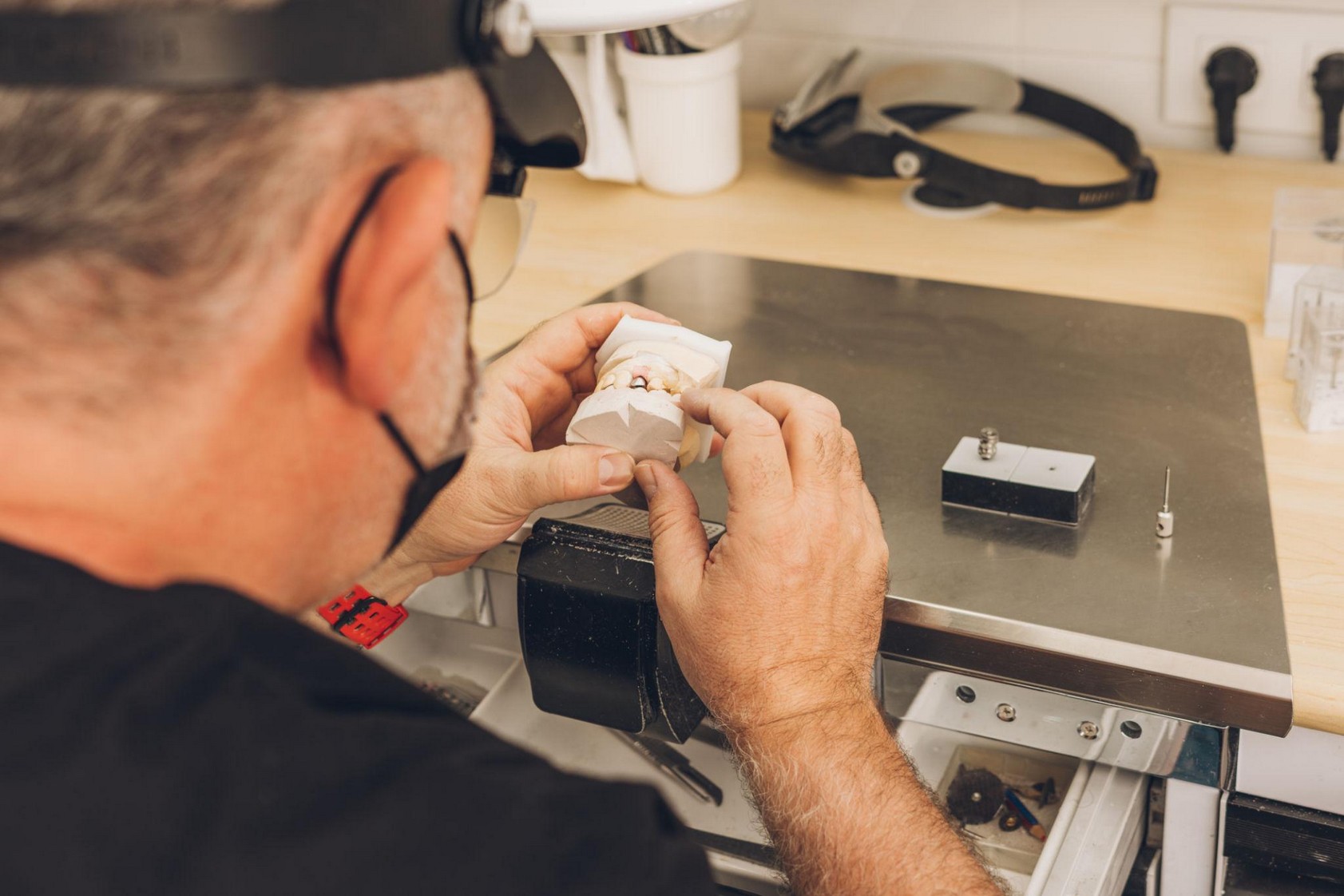
Ready for a more predictable final prosthesis workflow?
Explore JCR AOX Designs' final dental prosthesis fabrication in California and see how your cases can move from approved design to finished restoration.
Key Takeaways
- A specialized dental lab should provide a structured workflow from approved digital design through fabrication, finishing, and final quality inspection.
- Experience, communication, material knowledge, and consistent quality-control processes are important when choosing a laboratory for final dental prosthesis.
- Digital design and final fabrication are separate but closely connected stages that require clear communication between the dental practice and laboratory.
- For dental prosthesis fabrication, dentists should evaluate case review procedures, finishing standards, turnaround times, communication, and quality checks before choosing a laboratory.
Frequently Asked Questions
Ethan Navarro
Hello, I'm Ethan Navarro, a California-based digital dental design specialist with extensive experience supporting clinicians through advanced CAD/CAM workflows, full-arch restorations, implant planning, and restorative design. I'm passionate about helping dental professionals simplify complex cases by combining precision, collaboration, and innovative digital solutions. Through my articles, I share practical insights on digital dentistry, laboratory workflows, restorative techniques, and emerging technologies that help practices improve efficiency, strengthen communication, and deliver predictable patient outcomes.
Work with our team