Premium Dental Prosthetic Finishing Services: Why Quality Makes a Difference
Learn how dental prosthesis fabrication in California supports quality, precision, and consistent results through careful laboratory quality control.
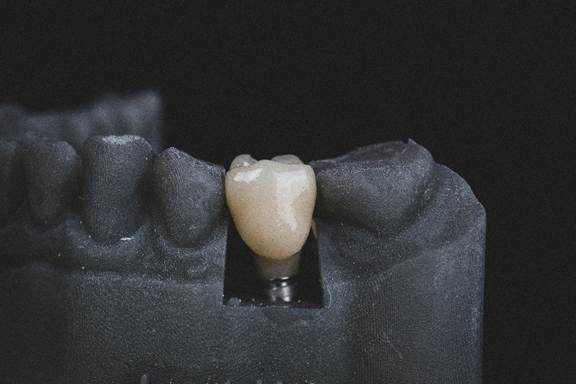
A dental prosthesis can be technically accurate and still fall short if the final finishing is rushed. For dentists, the difference often shows in the details: margins, surface texture, contours, shade, polish, and how naturally the restoration fits into the patient's smile. Quality dental prosthesis fabrication in California depends not only on advanced technology, but also on careful finishing and consistent quality control. This guide explains why finishing matters, what dentists should look for in a laboratory, and how premium finishing can support predictable clinical results.
Why Does Prosthetic Finishing Matter?
Prosthetic finishing is the final stage where a restoration is refined for appearance, function, and clinical usability. It can influence how naturally the prosthesis looks and how well it integrates with the dentist's treatment plan.
Even when a restoration begins with accurate digital design or precise fabrication, finishing remains important. Small adjustments to contours, contacts, surface texture, and polish can make a noticeable difference in the final result.
For dentists, quality finishing can also reduce unnecessary adjustments at delivery. A laboratory that pays close attention to the final details is better positioned to provide restorations that are ready for clinical evaluation.
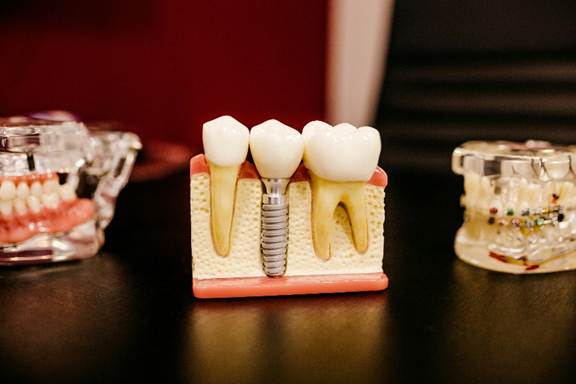
What Defines Quality Dental Prosthesis Fabrication in California?
High-quality fabrication starts with a clear understanding of the prescription, digital files or physical impressions, material requirements, and intended clinical outcome. A reliable workflow should include:
- Careful review of the case prescription
- Accurate digital or physical model preparation
- Appropriate material selection
- Precise fabrication
- Detailed contouring and finishing
- Shade and surface evaluation
- Final inspection before delivery
The process should not be treated as a simple production line. Each case has different functional and aesthetic requirements, so experienced technicians need to evaluate the restoration as a complete prosthetic solution.
Material selection is another important consideration. The U.S. Food and Drug Administration notes that dental device materials are evaluated in relation to their intended use, including their physical and material properties.
What Should Dentists Look for in a Premium Finishing Service?
A premium laboratory should offer more than fast turnaround. Consistency, communication, attention to detail, and quality control are equally important.
1. Precise Margins and Contours
Poorly refined contours can affect how a restoration sits and how easily the dentist can evaluate it clinically. Finishing should preserve the intended design while refining areas that require additional attention.
2. Natural Surface Texture
A polished restoration should not necessarily look unnaturally smooth. Natural teeth have subtle surface characteristics, and reproducing appropriate texture can contribute to a more lifelike appearance.
3. Consistent Shade and Characterization
Shade is not simply about choosing a color from a chart. Lighting, material, surface texture, translucency, and surrounding teeth can all influence how a restoration appears. For aesthetic cases, careful characterization and communication between the dental office and laboratory are particularly important.
4. Thorough Final Inspection
Before a restoration leaves the laboratory, technicians should check the finished work against the prescription and case requirements. This final review can help identify issues involving:
- Surface quality
- Contours
- Contacts
- Occlusal considerations
- Shade and characterization
- Overall finish
Custom vs. Standard Prosthetic Finishing
Not every restoration requires the same level of individualization. However, cases with demanding aesthetic or functional requirements benefit from a workflow that allows technicians to make case-specific refinements.
| Standard Approach | Premium Finishing Approach |
|---|---|
| Focuses primarily on production | Focuses on production and final refinement |
| Limited individual characterization | Greater attention to case-specific details |
| Basic surface finishing | Refined texture and polish |
| Minimal communication | Detailed case communication |
| Consistency may vary | Strong emphasis on quality control |
The goal is not to make every restoration unnecessarily complex. It is to match the finishing process to the clinical requirements of the case.
How Do You Choose a Laboratory for Premium Prosthetic Finishing?
The right laboratory for custom dental prosthesis in California should be able to demonstrate a reliable workflow rather than simply promising premium results. Before choosing a provider, ask about:
- Case communication: How are prescriptions, photos, shade information, and design requirements communicated?
- Quality control: What checks take place before a restoration is shipped?
- Materials: Which materials are available, and are they appropriate for the intended application?
- Turnaround: Can the laboratory provide realistic delivery times without sacrificing finishing quality?
- Remakes and adjustments: How does the laboratory handle cases that require changes?
It is also worth reviewing examples of completed work. A portfolio can provide useful insight into the laboratory's attention to anatomy, contours, shade, and finishing. For practices looking for a dedicated finishing workflow, the finals service provides an example of how laboratory finishing can be integrated into the broader prosthetic process.
Which Dental Laboratory Offers Premium Prosthetic Finishing Services?
The best choice is a laboratory that combines technical precision, experienced craftsmanship, clear communication, and dependable quality control rather than relying on speed alone.
A strong laboratory relationship should also make it easy for the dental team to communicate case-specific expectations. This becomes particularly important for complex or highly aesthetic restorations where small details can influence the final clinical result.
A laboratory should function as a reliable extension of the dental practice, not simply as a production vendor.
Why Consistency Matters for Dental Practices
A single excellent restoration is valuable, but consistent results across cases are even more important for a busy practice.
When finishing quality varies from case to case, dentists may spend additional chair time making adjustments or managing patient expectations. A dependable laboratory process can help create more predictable workflows.
If you are evaluating whether your current laboratory is meeting expectations, our article on signs your lab is costing you patients offers another perspective on the relationship between laboratory performance and the patient experience.
Choose JCR AOX Designs for Quality Prosthetic Finishing
At JCR AOX Designs, we focus on precision, detailed finishing, and consistent craftsmanship to help dental practices achieve dependable prosthetic results. Our professional finishing services are designed to support the clinical and aesthetic requirements of each case.
Explore the Finals Service and discuss your next case with our team.
Key Takeaways
- Quality finishing plays an important role in the appearance, function, and consistency of dental prostheses.
- Careful attention to contours, margins, surface texture, shade, and final inspection can support more predictable results.
- Dentists should evaluate a laboratory's communication, quality-control process, materials, turnaround times, and approach to adjustments.
- A reliable laboratory relationship can help dental practices maintain consistent prosthetic quality and smoother clinical workflows.
FAQs
Ethan Navarro
Hello, I'm Ethan Navarro, a California-based digital dental design specialist with extensive experience supporting clinicians through advanced CAD/CAM workflows, full-arch restorations, implant planning, and restorative design. I'm passionate about helping dental professionals simplify complex cases by combining precision, collaboration, and innovative digital solutions. Through my articles, I share practical insights on digital dentistry, laboratory workflows, restorative techniques, and emerging technologies that help practices improve efficiency, strengthen communication, and deliver predictable patient outcomes.
Work with our team