The Death of the Analog Workflow: Why Dentistry Is Going Digital
Impressions, stone models, manual articulation every analog step is now a competitive disadvantage. Here's what's replacing them and why it matters in 2026.
Key Takeaways
- Modern intraoral scanners now match or exceed the accuracy of traditional PVS impressions, especially across full arches.
- Analog cases aren't cheaper the cost just hides in chair time, remakes, and calendar days instead of the lab invoice.
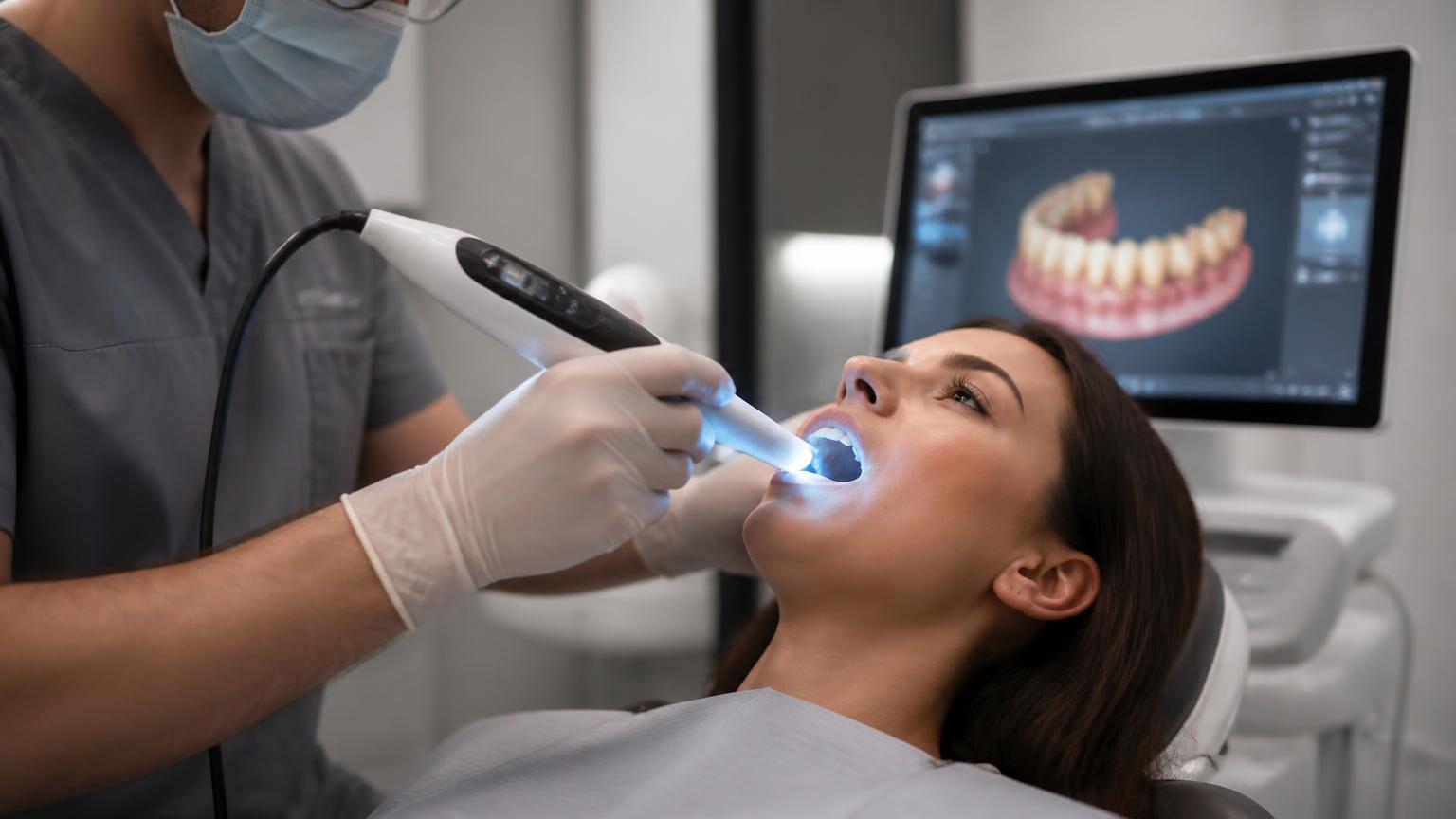
- Patients increasingly judge a practice by the experience itself: fewer appointments, no gag-inducing impressions, and photo-real previews before treatment even starts.
- Practices that adopted digital workflows early are now capturing the reputation and referral benefits that latecomers are still trying to catch up to.
Why This Shift Is Happening Now
Analog dentistry isn't dying because it's bad. It's dying because it's slower, less predictable, and more expensive than the digital alternative and patients can tell the difference. Practices converting their case files and workflows to analog to digital dental in california aren't chasing a trend; they're responding to a shift in what patients now expect walking into an appointment.
The Accuracy Gap Is Over
For years, the argument for sticking with analog impressions was precision the idea that nothing beat a well-poured PVS impression for accuracy. That argument no longer holds up. Modern intraoral scanners now match or exceed the accuracy of even the best physical impressions, especially across full-arch cases where analog impressions have always been more prone to distortion.
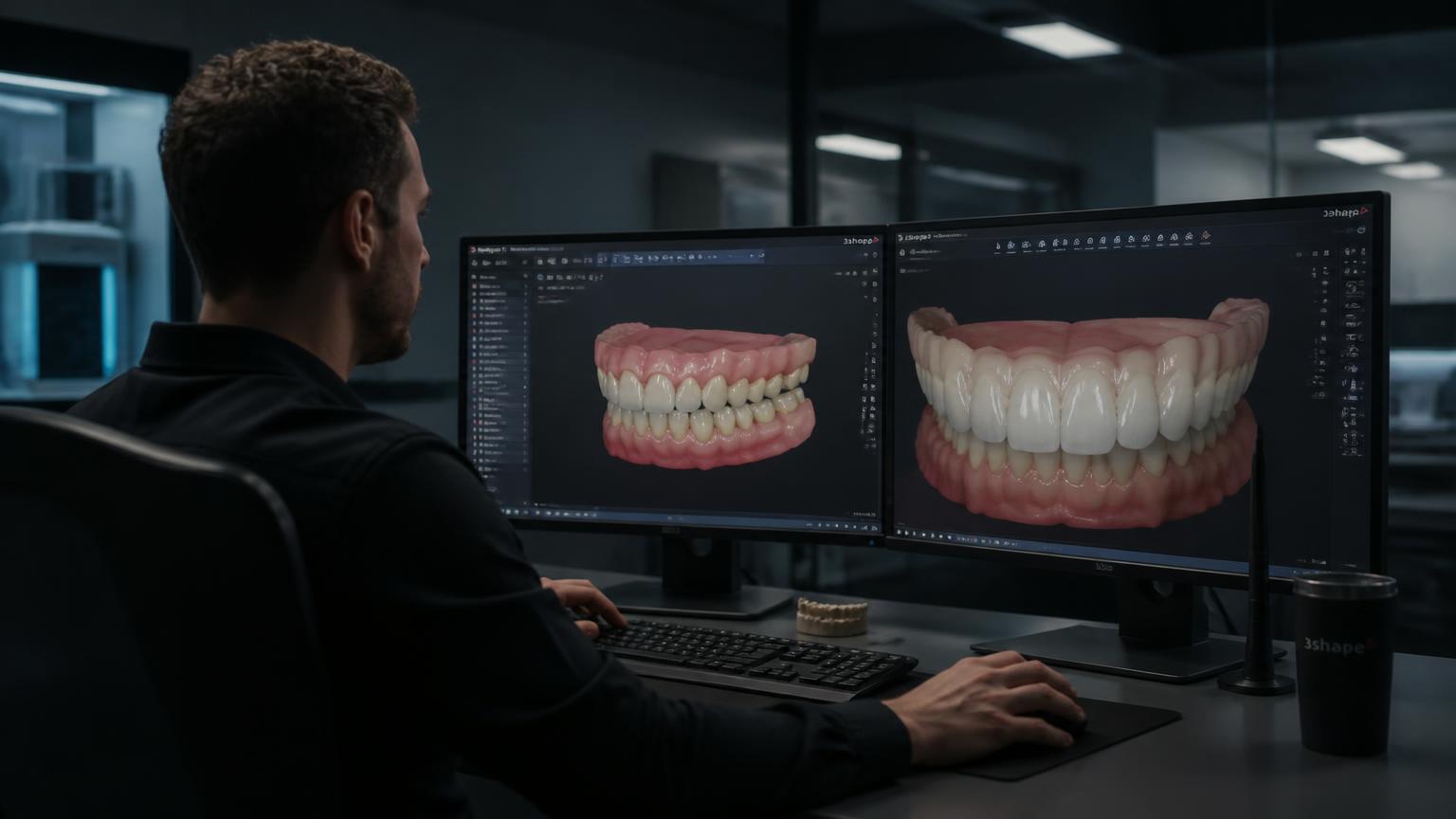
The real gain isn't just in the scan itself it's in what happens after. When a high-fidelity digital scan reaches a designer who knows how to read it correctly, the case fits the first time far more often. Remakes drop. Chair time drops. Patient frustration drops right along with it.
The Cost Is Hidden in Time, Not Invoices
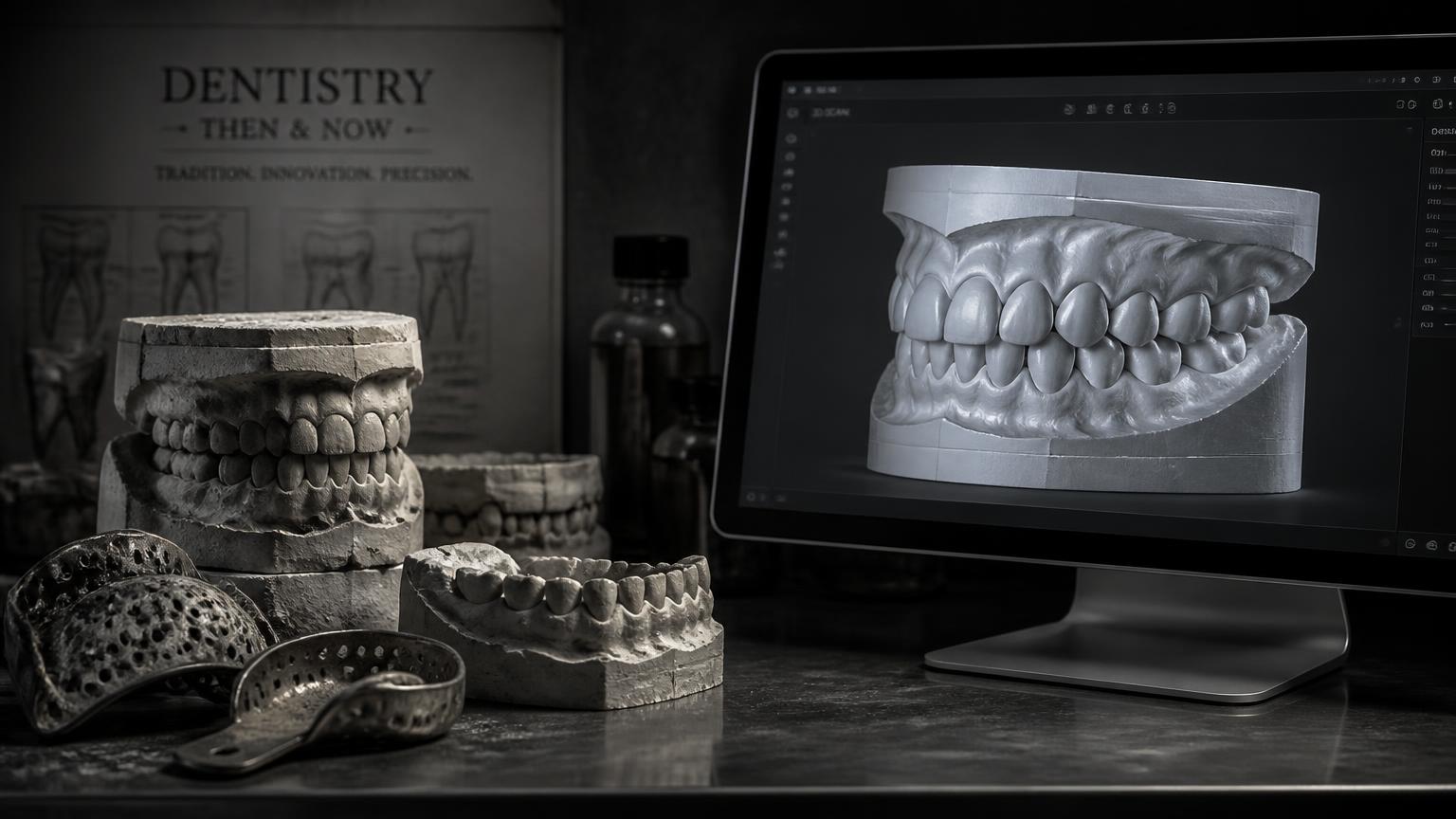
Analog cases often look cheaper on the lab bill, but they're rarely cheaper on the schedule. Pour the stone model, articulate it, ship it, wait for it, fit it, adjust it every one of those steps consumes hours that never show up on a patient's statement but always show up on a practice's calendar. Digital removes almost all of that dead time. Files move in seconds instead of days. Iterations happen in minutes instead of requiring an entirely new shipment. Cases that used to take weeks now close in days.
This isn't just anecdotal, either. Recent industry research shows the global digital dentistry market is projected to reach $13.7 billion by 2033, growing at nearly 10% a year, with dental clinics specifically identified as the fastest-adopting segment as chairside CAD/CAM and same-day workflows become standard rather than premium features.
Analog vs. Digital: The Workflow Side by Side
| Step | Analog Workflow | Digital Workflow |
|---|---|---|
| Capturing the case | PVS impression, tray-based | Intraoral scan, chairside |
| Model creation | Pour stone model, wait to set | Digital model generated instantly |
| Sending to lab | Physical shipping, 1–3+ days transit | File upload, seconds to minutes |
| Revisions | New impression and reshipping required | Digital iteration, same-day turnaround |
| Patient experience | Gag-inducing trays, multiple visits | Comfortable scan, fewer appointments |
| Case preview | Not available until model is built | Photo-real preview before treatment |
The steps look similar on paper — the time and predictability behind each one don't.
The Patient Experience Is No Longer Optional
Patients comparing practices in 2026 are comparing the experience as much as the dentistry itself. A digital workflow means fewer appointments, no gag-inducing impressions, and finished results that look photo-real before the patient even sits in the chair for treatment. That's a difference patients notice and talk about and it shows up in reviews and referrals just as much as clinical outcomes do.
The scanner accuracy itself is well documented, too. Peer-reviewed research on intraoral scanning has found accuracy and precision within clinically acceptable limits across standard restorative cases, which is a meaningful shift from where the technology stood even a decade ago.
Digital Dentistry by the Numbers
| Metric | Data Point |
|---|---|
| Global digital dentistry market (projected, 2033) | ≈ $13.7 billion |
| Projected annual market growth rate (CAGR) | 9.6% |
| Intraoral scanner penetration in mature markets (U.S.) | 30–35% |
| Dental clinic segment growth rate (CAGR through 2033) | 10%+ |
| North America's share of the digital dentistry market | 35%+ |
The clinics still on the fence aren't a majority anymore they're the remaining minority in a market that's already moved.
Catching Up Without Falling Behind
The practices that doubled down on digital workflows five years ago are now harvesting that reputation in the form of easier scheduling, fewer remakes, and stronger patient retention. The ones that waited are catching up fast, and the gap closes faster with the right lab partner behind the transition. JCR AOX Designs works directly with clinicians not a support ticket queue to move a practice's case files, articulation habits, and full-arch workflows from analog to fully digital without losing the clinical judgment that made the analog process work in the first place.
Frequently Asked Questions
Ethan Navarro
Hello, I'm Ethan Navarro, a California-based digital dental design specialist with extensive experience supporting clinicians through advanced CAD/CAM workflows, full-arch restorations, implant planning, and restorative design. I'm passionate about helping dental professionals simplify complex cases by combining precision, collaboration, and innovative digital solutions. Through my articles, I share practical insights on digital dentistry, laboratory workflows, restorative techniques, and emerging technologies that help practices improve efficiency, strengthen communication, and deliver predictable patient outcomes.
Work with our team